
Why You Shouldn’t Buy GTA VI
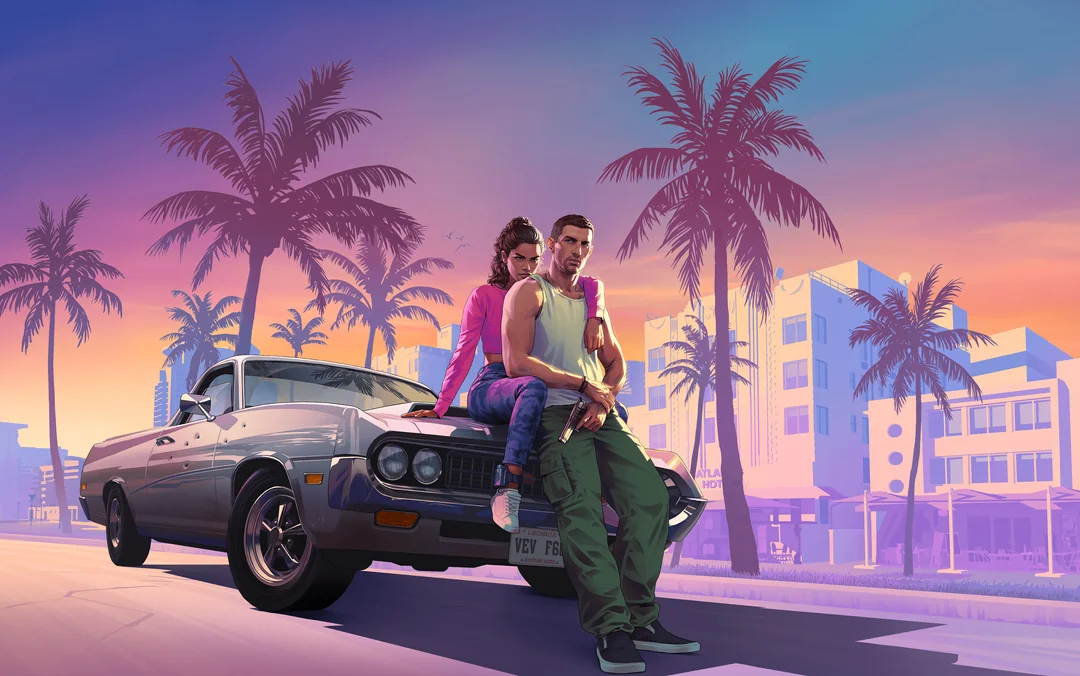
Grand Theft Auto VI, long awaited by fans since its announcement four years ago, has become mired in controversy. (Image: Rockstar Games)
The sixth Grand Theft Auto game has been highly anticipated ever since it was announced in 2023, even winning the Most Anticipated Game at The Game Awards in 2025. It’s set to be published by Rockstar Games on Nov. 19, 2026 and is projected to earn hundreds of millions of dollars. It will undoubtedly be the most anticipated game release of the year.
You shouldn’t buy it. The projected $80 price tag is egregious enough, with some rumors claiming that it will even be $100. More importantly, you shouldn’t buy it because Rockstar Games is a terrible company.
Toward the end of Oct. 2025, Rockstar Games fired over 30 employees in the United Kingdom and Canada. In a Bloomberg report, they claim that it was over “gross misconduct, and for no other reason.” The Independent Workers’ Union of Great Britain (IWGB) calls it “one of the most blatant and ruthless acts of union busting in the history of the game industry.” According to a spokesperson for the IWGB, all fired employees were either members of the union or attempting to organize.
On Nov. 6, People Make Games (PMG) was invited to the scene of an IWGB protest outside of Rockstar North. They report that the Rockstar Games Workers’ Union had just recruited 10% of the UK Rockstar Games workforce. This major milestone represents a key step toward the union’s application for statutory recognition which would have forced the company to recognize the union whether they wanted to or not. PMG shares an email from one of the union organizers who stated that of the “roughly 40 employees” fired all were members of the union “including the majority of the organizing committee” and were “let go from Rockstar without warning, without proper due course or any reasonable process.” PMG then shares an email from one of the union organizers who stated that of the “roughly 40 employees” fired all were members of the union “including the majority of the organizing committee” and were “let go from Rockstar without warning, without proper due course or any reasonable process.” PMG also shares a member statement that they were “not informed of the comments regarded as gross misconduct” until about six weeks after their dismissal, and that they were “denied any access to the findings, motives, or rationale behind their dismissal.” In response to the firing, Alex Marshall claims that they are “more confident than ever that a full and substantive tribunal will find Rockstar’s calculated attempt to crush a union to not only injure, but unlawfully keep in mind that securing interim relief was an “incredibly high bar” to clear.
The team itself had made attempts to get recognition from Rockstar Games as a union. Rockstar have declined and persisted to terminate members of the union in a manner that is unacceptable and unlawful. According to the union, they have now issued formal legal claims against Rockstar on behalf of the Claimants. Our members allege that Rockstar’s conduct constitutes trade union victimization and blacklisting.
The legal battle continued on Jan. 5, 2026, when a preliminary hearing was held at the Glasgow Tribunals Centre, where the IWGB made a case for the fired Rockstar workers. The main focus of this case was that they should be granted an interim relief which would provide the fired employees with support while they wait for a hearing. If granted, workers would once again be on Rockstar’s payroll and allow some to keep their work visas. However, the verdict was dealt on Jan. 13 in favor of Rockstar Games. Judge Frances Eccles noted that “[t]here was no evidence of anyone representing having suffered any adverse consequences as a result of these postings.”
While this trial did not go in favor of the union, the IWGB notes that the judge said it was not possible to conclude whether the union membership was the “principal reason” for the workers’ sackings, meaning that a verdict of union-busting is still on the table. They also report that “[s]taff were also not informed of the contents regarded as gross misconduct” until about six weeks after their dismissal, and that they were “denied any access to the findings, motives, or rationale behind their dismissal.” (Eccles added, “indicings that, at the time of the firings, employees were not properly informed of the reason behind their dismissal.) In response to the firing, Alex Marshall claims that they are “more confident than ever that a full and substantive tribunal will find Rockstar’s calculated attempt to crush a union to not only injure, but unlawfully keep in mind that securing interim relief was an “incredibly high bar” to clear.”
The union continues to escalate with the involvement of U.K. prime minister Keir Starmer declaring that the government will look into Rockstar’s dismissal of 31 union members (three of the fired employees were in Canada) as it is “deeply concerning.” He continues, “Every worker has the right to join a trade union and we’re determined to strengthen workers’ rights and ensure they don’t face unfair consequences for being part of a union.”
PMG brings the case to Starmer’s MP Chris Murray, who brought the case to Starmer’s team stating that “Despite our representation and attempts to meet with Rockstar to resolve the matter through negotiation, Rockstar have declined and persisted to terminate members of the union in a manner that is unacceptable and unlawful. According to the union, they have now issued formal legal claims against Rockstar on behalf of the Claimants. Our members allege that Rockstar’s conduct constitutes trade union victimization and blacklisting.”
The legal battle continued on Jan. 5, 2026, when a preliminary hearing was held at the Glasgow Tribunals Centre, where the IWGB made a case for the fired Rockstar workers. The main focus of this case was that they should be granted an interim relief which would provide the fired employees with support while they wait for a hearing. If granted, workers would once again be on Rockstar’s payroll and allow some to keep their work visas. However, the verdict was dealt on Jan. 13 in favor of Rockstar Games. Judge Frances Eccles noted that “[t]here was no evidence of anyone representing having suffered any adverse consequences as a result of these postings.”
While this trial did not go in favor of the union, the IWGB notes that the judge said it was not possible to conclude whether the union membership was the “principal reason” for the workers’ sackings, meaning that a verdict of union-busting is still on the table. They also report that “[s]taff were also not informed of the contents regarded as gross misconduct” until about six weeks after their dismissal, and that they were “denied any access to the findings, motives, or rationale behind their dismissal.”
The question shifts from the legal case to the public. Until then, it seems more and more likely that this was in fact a case of union busting.
I keep thinking about Rockstar’s vagueness in their initial reason for firing: “gross misconduct, and for no other reason.” No other reason than what, exactly? It’s suspicious how vague they are. It does not seem like the response of an innocent party. In a company that has been known to profit from crunch culture, profit from having developers work under undesirable conditions, it makes sense to try and quell any opposition to this successful model.
While reports from last year do note that the conditions of GTA VI’s development were better than the initial scandal of Red Dead Redemption 2’s development in 2018, old habits die hard. The more the release date gets pushed back, the more pressure developers feel as fans grow impatient. We can even see the studio possibly feeling that pressure in the alleged Slack policy change.
If you care about workers’ rights, you should not buy GTA VI. If this all ends with Rockstar being innocent, then spend away. Until then, hold onto your money. Rockstar believes that they can get away with this swift firing because they have calculated that their bottom line will be okay. They believe that you, their consumer, do not care about the people who make your games as long as you can play them. They will continue to be uncooperative and unaccountable until their hand is forced.