
A Letter to Future Generations: On the Philosophy of Happiness — Part V
Actually Using This Stuff (Philosophy as Practice, Not Just Theory)
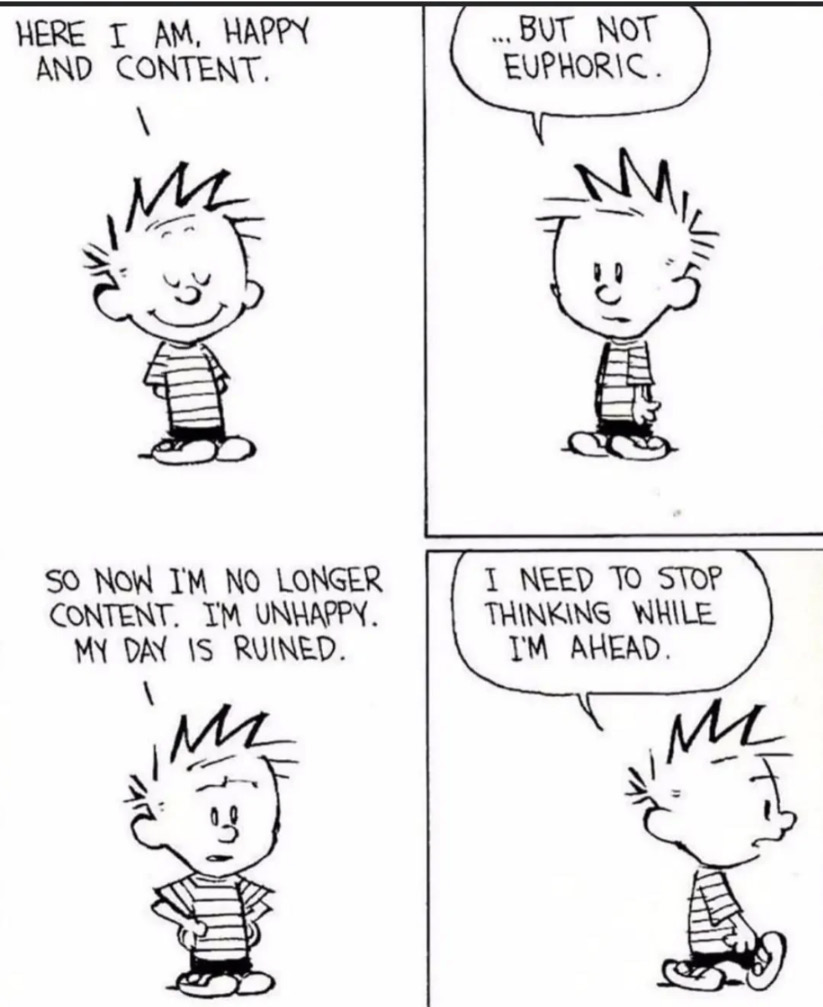
Okay, so I’ve thrown a lot of philosophy at you. But here’s the thing: this isn’t meant to be intellectual trivia for impressing people at parties. The ancient Greeks called philosophy a “way of life” — not an academic subject, but a set of practices for living well. The point isn’t to memorize quotes. It’s to internalize wisdom and let it transform how you think and act.
Different philosophical approaches will be useful at different times in your life. Think of them as tools in a toolkit:
Stoicism will save you when things go south — when you fail, when someone betrays you, when plans fall apart. Focus on what you can control. Accept what you can’t.
Aristotle will guide you in building character and making good decisions — when you’re choosing a career path, developing habits, figuring out what kind of person you want to be.
Buddhism will help you let go — when you’re clinging too hard to outcomes, when attachment is causing suffering, when you need to accept impermanence.
Existentialism will wake you up — when you’re sleepwalking through life, when you need to make authentic choices, when you need to take radical responsibility.
Epicurus will remind you — that you’re chasing the wrong pleasures, that simple contentment beats complex consumption, that peace of mind is the goal.
“The philosopher’s school is a hospital.”
— Epictetus (50-135 CE)
Epictetus said the philosopher’s school is a hospital — a place you go to heal, not to collect credentials. Philosophy is medicine for the wounds that come with being human. And unlike physical medicine that you stop taking once you’re healed, philosophical wisdom gets MORE effective the more you use it. Each time you apply these principles, you deepen your understanding and strengthen your capacity for the next challenge.
There’s No Arrival Point (And That’s Okay)
There’s no finish line. You’re never going to “achieve happiness” and be done. There’s no graduation ceremony where they hand you a diploma that says “Congratulations, You’re Happy Now.” Anyone who tells you differently is selling something.
Happiness — real happiness, eudaimonia-style flourishing — is a practice. It’s how you approach life, not a place you arrive at. It’s a way of being that requires constant cultivation, like staying in shape or maintaining a friendship.
You WILL make mistakes. You’ll forget these lessons and chase after shiny objects that don’t matter. You’ll fall into old patterns. You’ll get knocked down. You’ll experience real suffering and loss. That’s not failure—that’s being human. The goal isn’t perfection. It’s progress. It’s getting a little wiser with each challenge, a little stronger with each setback, a little clearer about what matters.
“The best time to plant a tree was 20 years ago. The second best time is now.”
— Chinese Proverb
So start now. Not tomorrow after you finish that assignment. Not next semester when things calm down. Not after graduation when “real life” starts. Now. Because your life is happening right now, not in some imagined future when everything falls into place.
The Bottom Line
I’m not going to pretend I have this all figured out. I’m still learning, still making mistakes, still fighting with my own giant demons. But I’ve learned enough to save you from some unnecessary pain, and that’s what this letter is about.
Here’s what I wish someone had told me straight up when I was where you are now:
- Happiness isn’t a destination or a feeling, it’s a way of being that you cultivate through practice.
- Stop chasing pleasure and start building eudaimonia; a life of character, purpose, and meaningful engagement.
- Focus ruthlessly on what you can control. Let go of everything else.
- Suffering isn’t the enemy, but the avoidance of suffering is. Face challenges, grow from them.
- Stop living someone else’s life. Figure out who you actually are and have the courage to be that person.
- Meaning > Happiness. Chase meaning and happiness will find you. Chase happiness and both will elude you.
- Invest in real relationships. Quality over quantity. Depth over breadth.
- Be present. Your life is happening now, not in some imagined future.
- Serve something larger than yourself. Contribution > Consumption.
- This is a practice, not a destination. You’ll never “arrive.” That’s okay. That’s the point.
“The happiness of your life depends upon the quality of your thoughts.”
— Marcus Aurelius (121-180 CE)
The philosophers I’ve shared: Aristotle, Epicurus, the Stoics, Buddha, Nietzsche, Camus, Frankl, and the rest… they’re your guides, not your gods. Learn from them. Test their ideas against your own experience. Take what works, leave what doesn’t. Philosophy is a dialogue, not dogma.
You already have everything you need for genuine happiness. It’s not in the next achievement, the next relationship, the next purchase, the next anything. It’s in how you approach life right now, in this moment, with whatever you’ve got. The work of cultivating happiness is internal work, and it’s the most important work you’ll ever do.
So be patient with yourself. You’re going to mess up. You’re going to forget these lessons and have to relearn them the hard way. That’s not failure but growth. Be kind to others. Seek wisdom wherever you can find it. And remember: the fact that you’re even asking these questions means you’re already on the right path.
You’re going to figure this out. You’re going to build a life that matters. You’re going to find your way to happiness, not the Instagram version, but the real thing. The kind that runs deep and lasts. The kind that can weather storms. The kind worth working for.
Now get off your phone, go for a walk, think about this stuff, and then get back to your life. You’ve got work to do.
With love, respect, and hope for your journey, A Future Self
P.S. — Start that journal. Trust me on this.