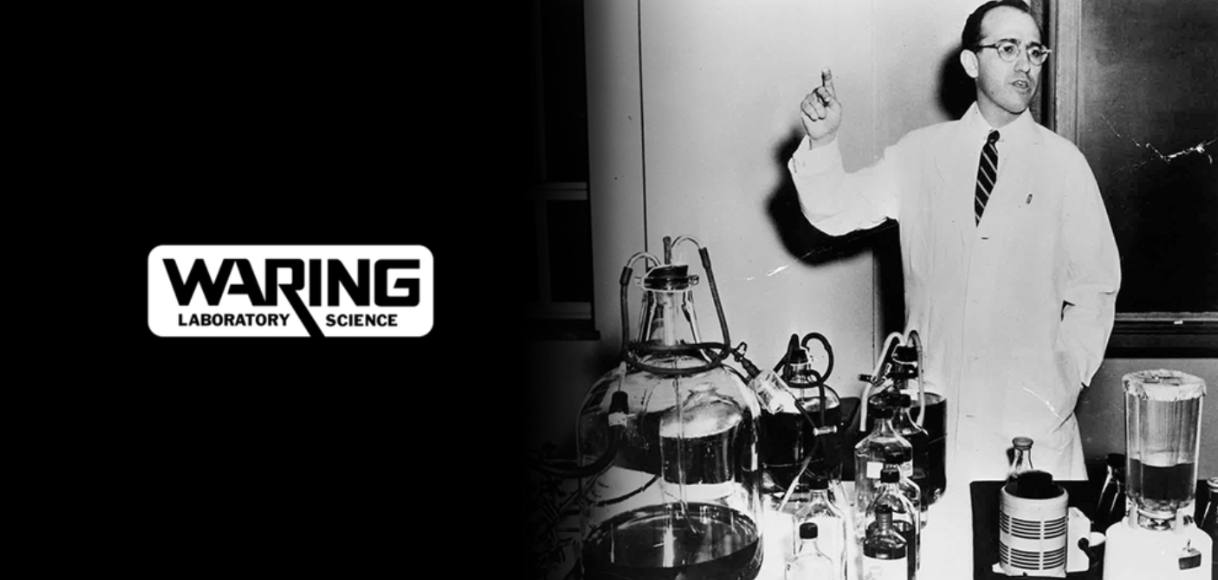
“What do a Waring blender, a wooden toothpick, and CRISPR have in common?” This was the question that Prof. Dianne Newman asked during the first lecture in Microbial Genetics.
In the not-so-distant past, the idea of designing one’s offspring belonged to science fiction. Genetic technologies were developed with noble aims — to cure diseases and prevent deadly inherited illnesses.
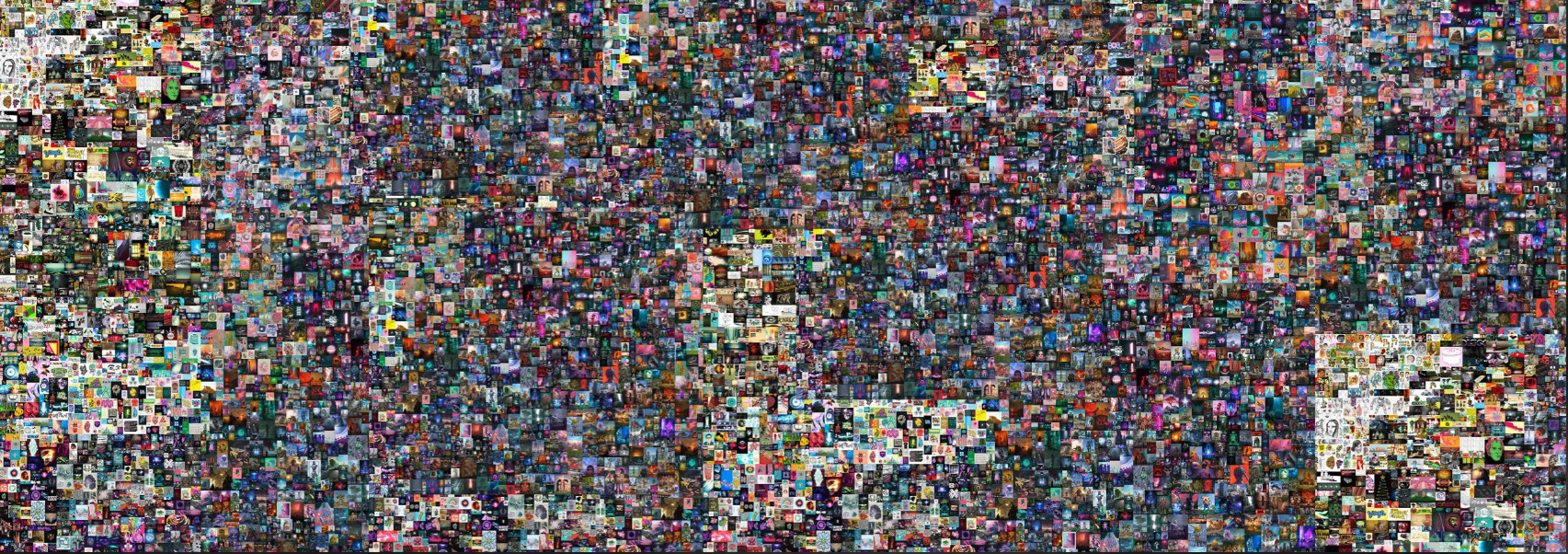
In March 2021, a digital collage file by the artist Beeple sold for an astonishing $69 million at Christie’s auction. The buyer of this NFT (non-fungible token) didn’t receive a physical object or exclusive rights to the art — essentially, they paid for a certificate of ownership recorded on a blockchain.
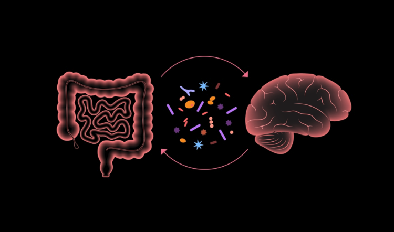
One afternoon, a father gave his young son an antibiotic for a routine throat infection. Days later, something changed. The child became withdrawn, stopped making eye contact. Within weeks, doctors diagnosed him with autism.