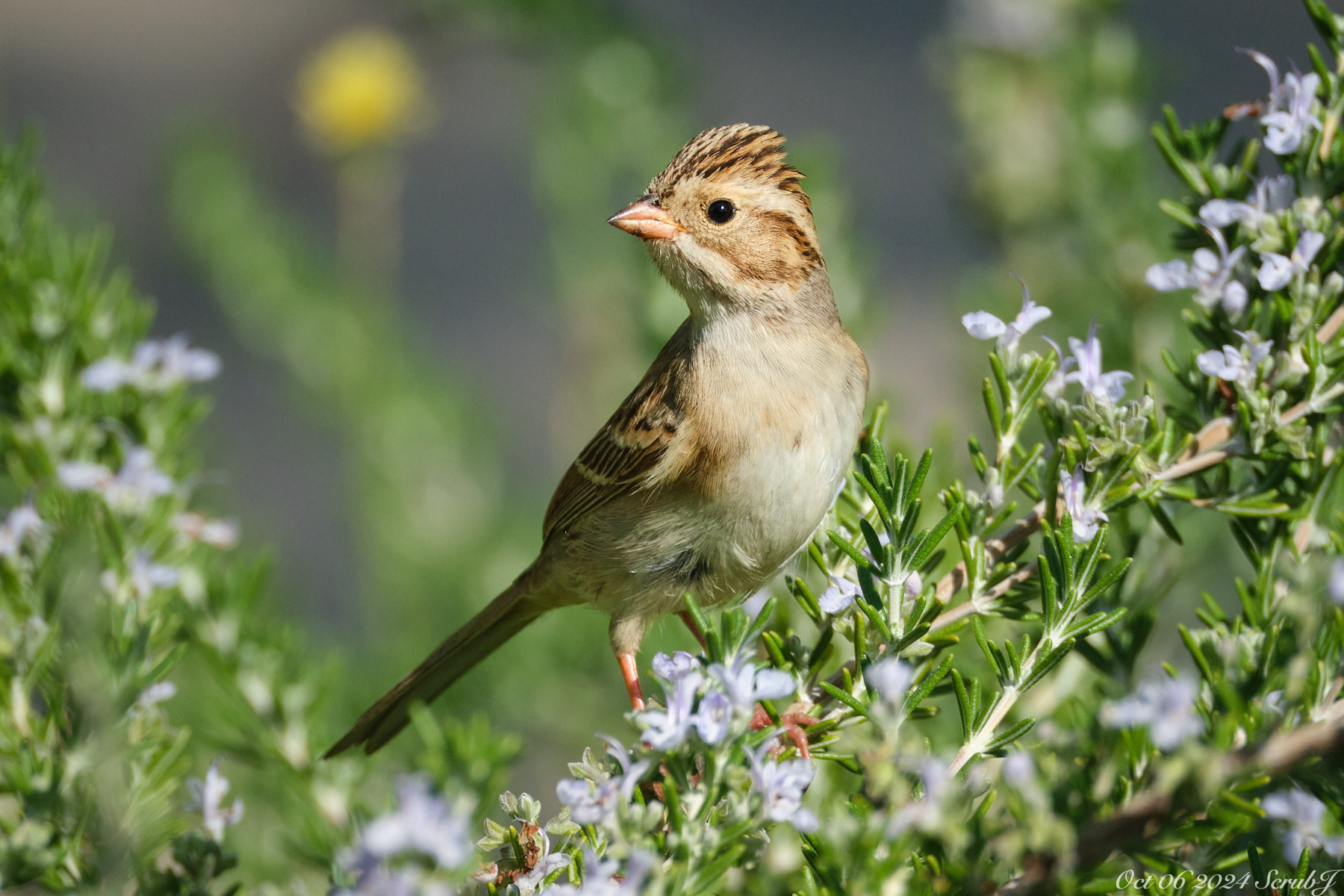
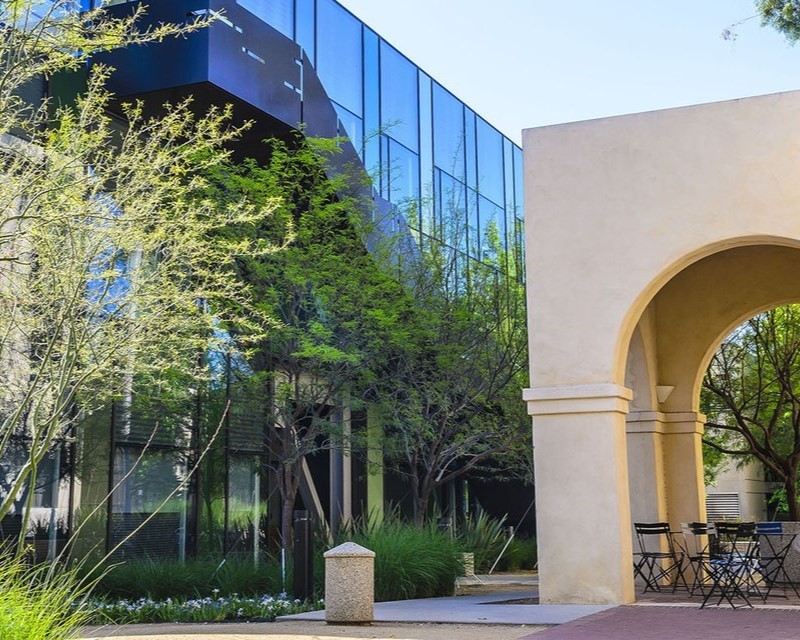
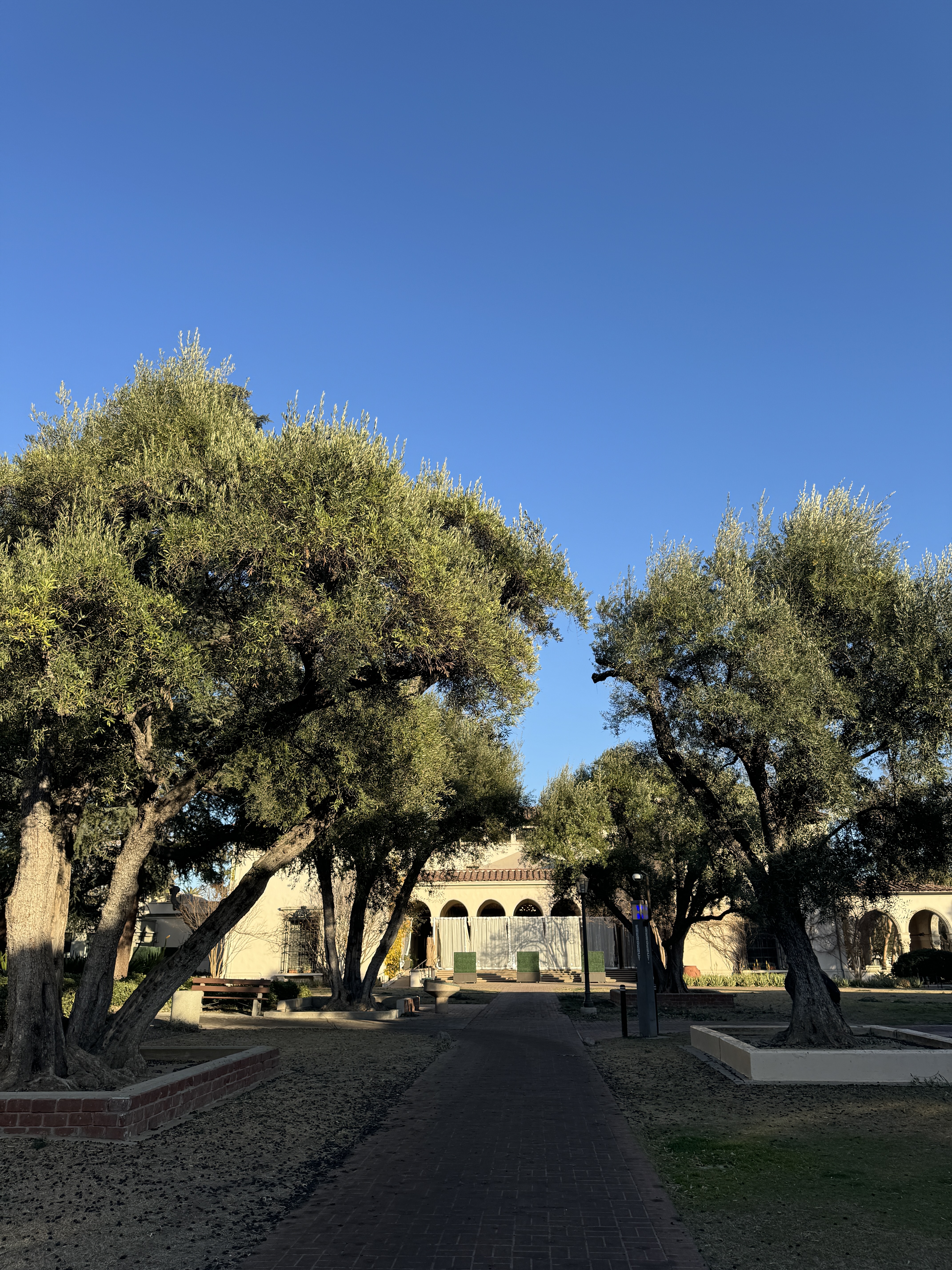
Spring at Caltech is a season of rapid transformation. Step away for just a few days, and you’ll return to a campus bursting with changes: the once-bare branches are now decorated with colorful flowers. The drastic changes aren’t limited to flora – migrating wildlife also contributes to the seasonal dynamics.
There is a question pulsing quietly beneath the surface of every lab bench, every line of code, every equation scribbled onto a whiteboard: Why are we doing this? Is it for discovery, for prestige, for the betterment of humanity—or something more elusive? At Caltech, we pride ourselves on pushing the boundaries of what is knowable, and we do, no one says the opposite. We decode the stars, manipulate the quantum, edit genes and simulate the brain. But in a world full of complexity, speed, and ambition, can knowledge make us wise? Can science teach us how to live well?
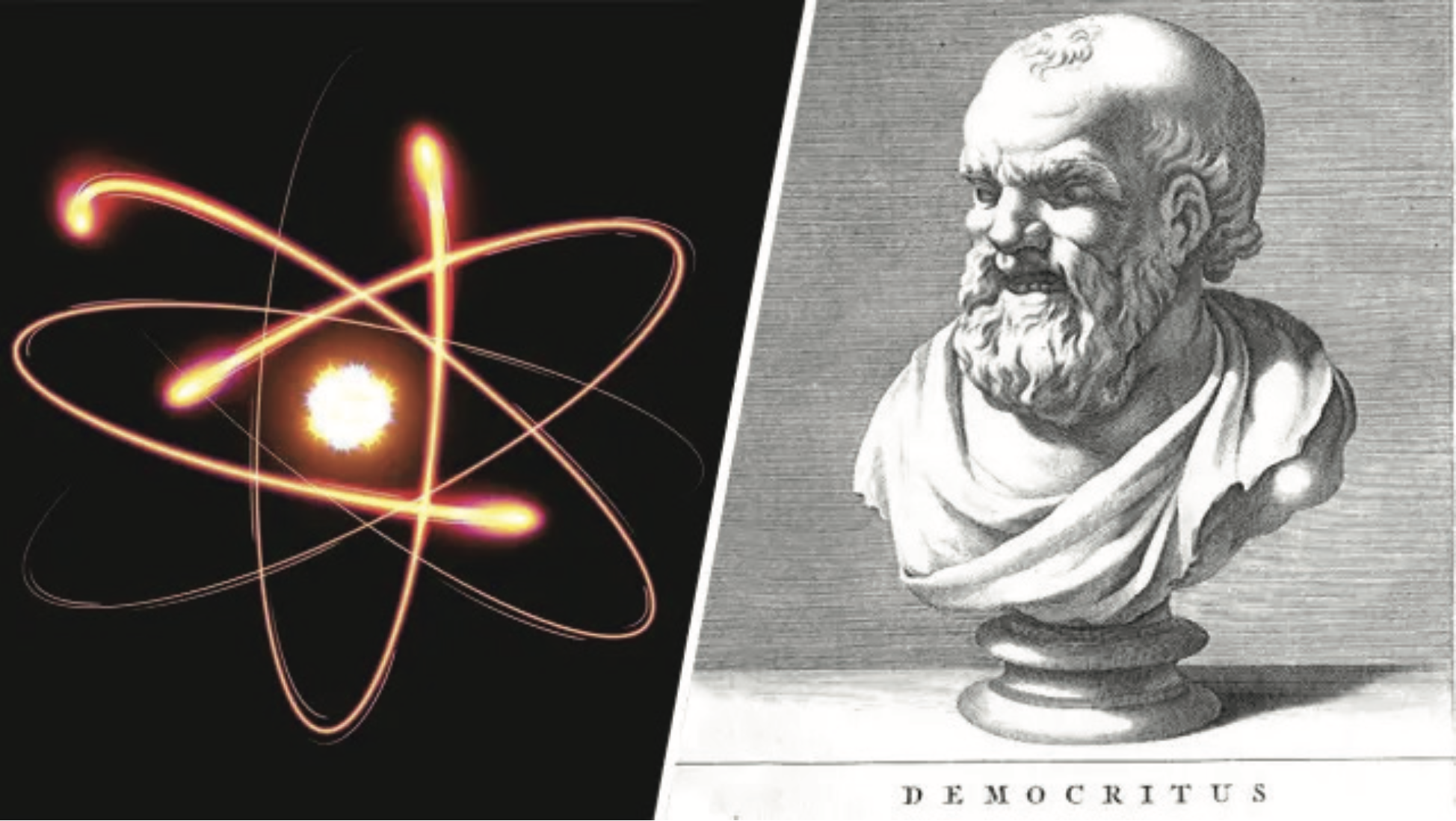
If Democritus were alive today, he’d fit right in at Caltech—probably wandering around campus, laughing at his own jokes, and asking if he could borrow a supercomputer “just to check something.”
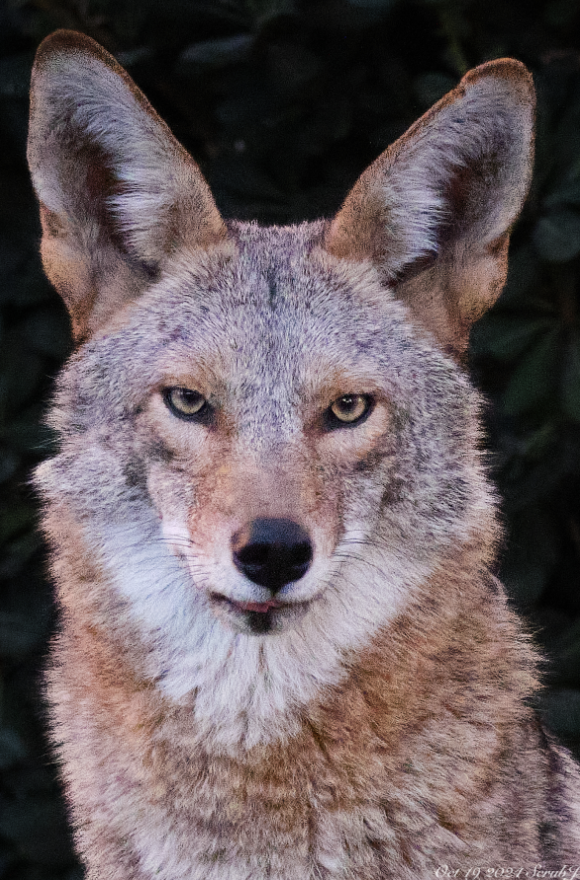
You have probably walked along Catalina Ave. near Caltech or on Caltech campus and have seen the signs warning of coyote activity in the area. Perhaps you have even seen coyotes yourself on campus! I’ve definitely had my fair share of coyote sightings on campus. One day I came out of lab and walked past the lawn on S. Wilson Ave. near the Broad Center. There chilling on the lawn was a coyote by himself. I looked at him. He looked at me. I walked on the sidewalk. He sat on the lawn. When my sidewalk path neared him on the grass, I kept my trajectory clear and steady, but turned to the coyote as he watched me, and I gave him a subtle nod and said “’sup”. He looked at me, unphased and calm. I was also unphased and calm. I continued walking and he continued chillin’.
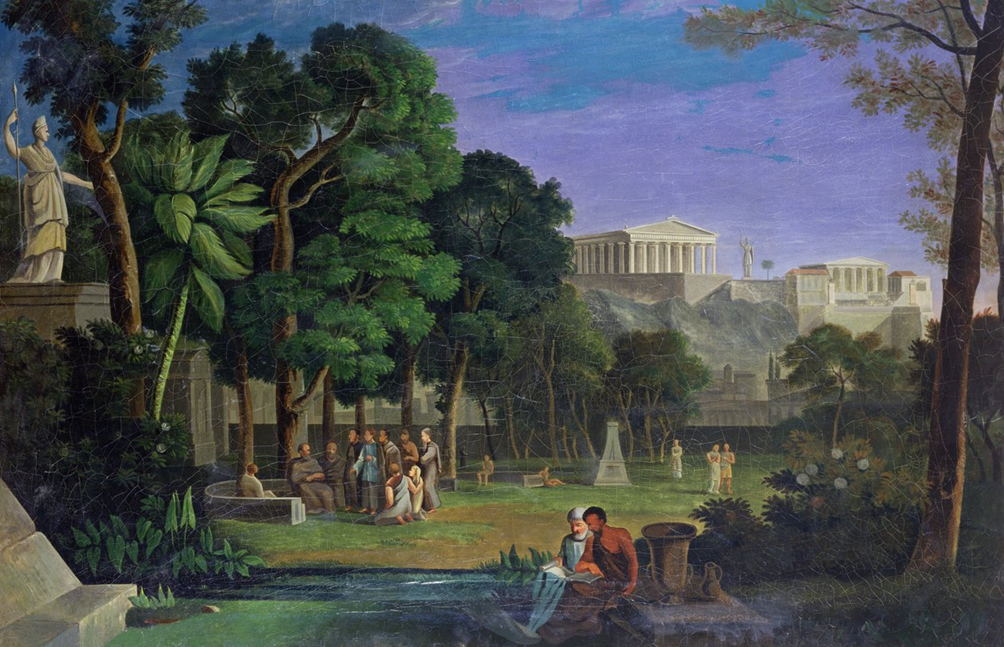
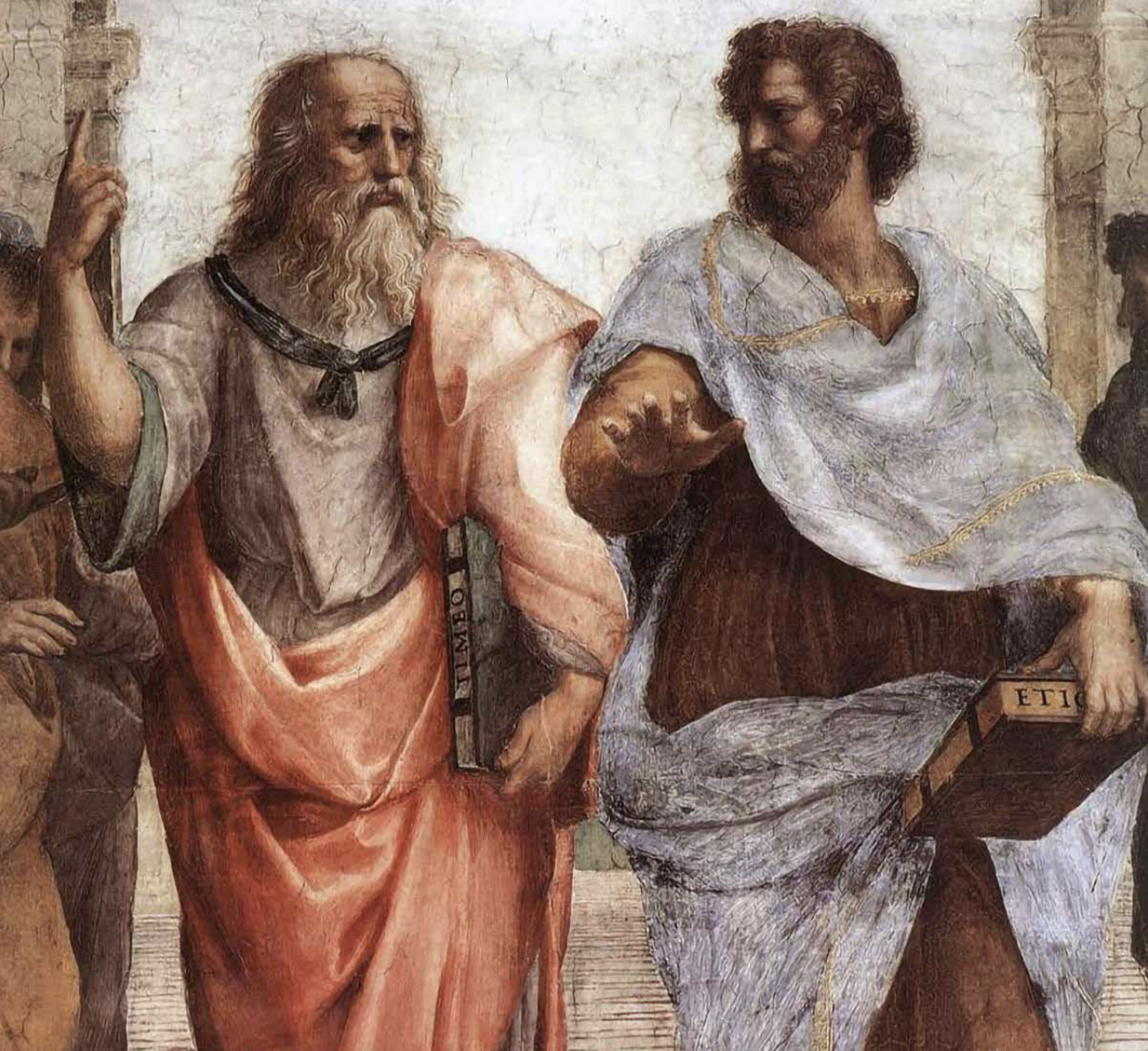
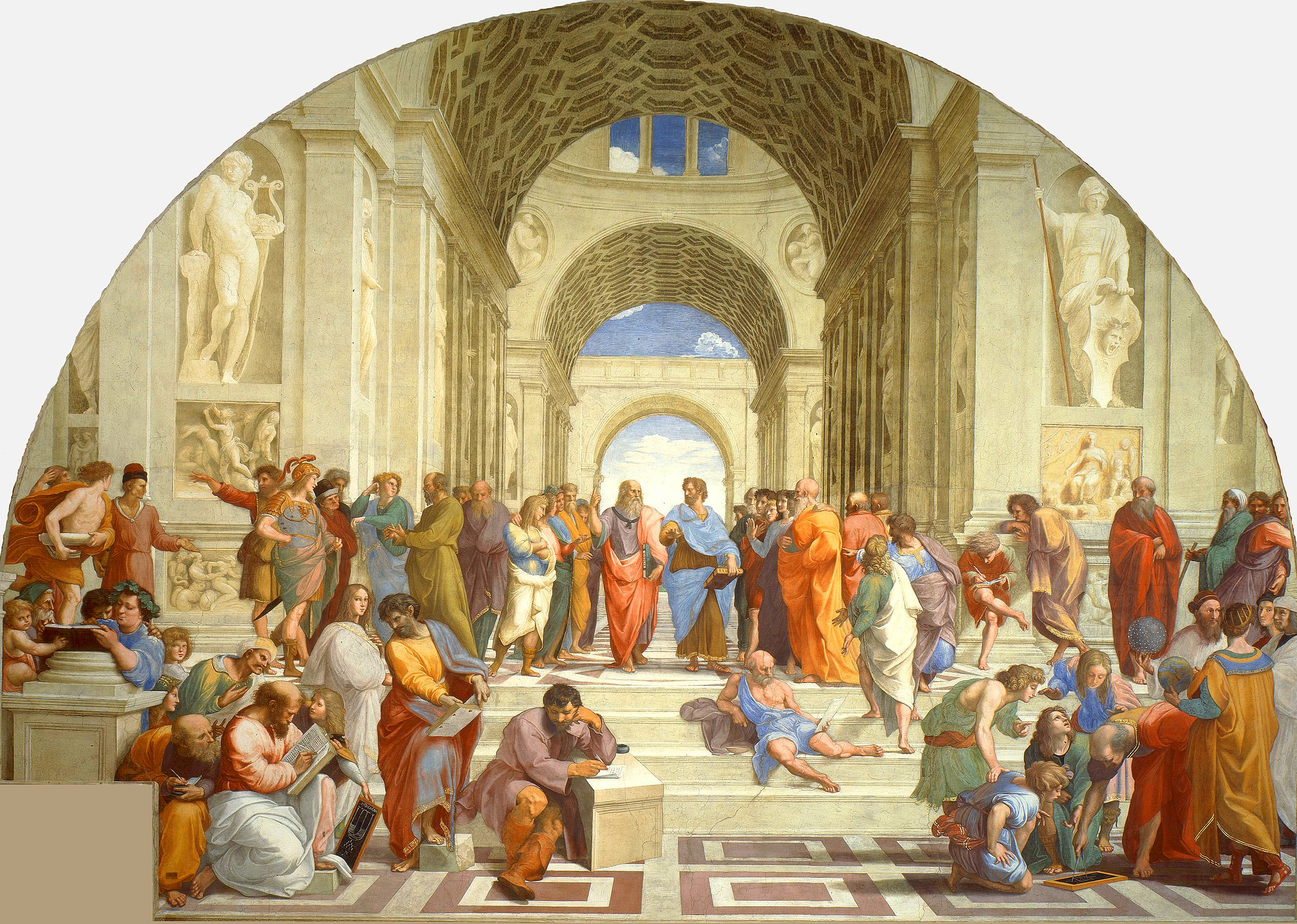
If Plato was the dreamer with his head above the clouds, Aristotle is the realist with his hands in the soil. He’s the philosopher of practicality; the one who took the abstract musings of his teacher, Plato, and said, “Alright, but how does it really work?”
I just finished reading the new book Star Bound by Emily Carney and Bruce McCandless III (shoutout to my friend Paige Kaufman who released a podcast interview with the authors yesterday – Space Spiels, wherever you get your podcasts). In the book, the authors discuss – among other things – how we have successfully grown plants in lunar regolith brought back from the Apollo missions. This is especially relevant now, as Artemis is aimed at establishing a permanent base on the surface of the Moon.
Contrary to what our pseudonym suggests, we are but college students. Thus we spent all of this past fall hoping and praying for a single miracle: Caltech’s Three Week Winter Break. This break is a time of rest, a time of relaxation, and a time of rejuvenation. During these three weeks, we slowly gather back up the energy needed for the upcoming winter term, whether that be through spending time with friends and family, going out and having fun, or simply just doing nothing. For this reason, we wanted to share with you how our respective winter breaks went.
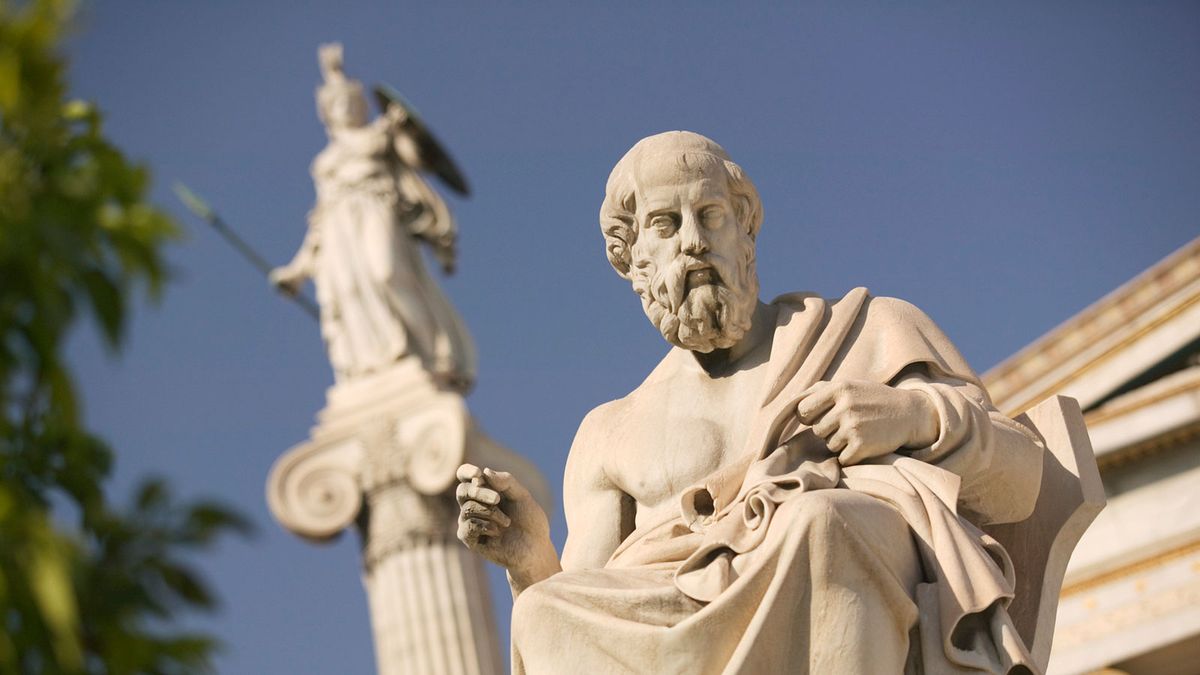
I promised you Plato, and here we are. I would say that, after a period of rest where we fantasized about the future and especially about what we should and could have done during the following term, the philosopher I am going to write about fits perfectly. A Mediterranean illumination that I had trying to understand how to find a connection, but it allows us to see the world of Platonic ideas as a parallel reality truly capable of transforming the simple idea of thought, with the intellectual search for being.
Well yes, I am more than sure that all of you have already heard of Socrates, Plato, Aristotle, the masters of ancient classical philosophy. There would not have been a beginning without them and none of the greatest philosophers, even of the contemporary age, would have managed to develop a single concrete idea, think of Immanuel Kant who still criticized Plato during the period of the Enlightenment (1750).