When suggesting games to friends, I’ll often get a response along the lines of “Oh, I’m not good at games.” This statement can be a bit confusing in that it is so general. What does it mean to be “good at games?” There are definitely types of games one might not be good at, for example I suck at shooters, but I find it hard to believe that one can be bad at all games.
As Commencement draws near, your nerdy wildlife columnist decided to explore a timely topic: what does “graduation” mean in the animal world? How do young creatures transition out of their juvenile phase—and what counts as “adulthood”?
Amid deadlines, data, and delayed dreams, it’s easy to overlook the fact that life doesn’t wait for us to solve every problem. At Caltech, where ambition surrounds us and the future feels constant, the present can easily fade into the background. Yet beneath the weight of equations, lab reports, and sleepless nights lies a truth waiting to be unearthed: hic et nunc—“here and now.” This simple, ancient Latin phrase serves as a profound reminder that our only true existence is in the present.
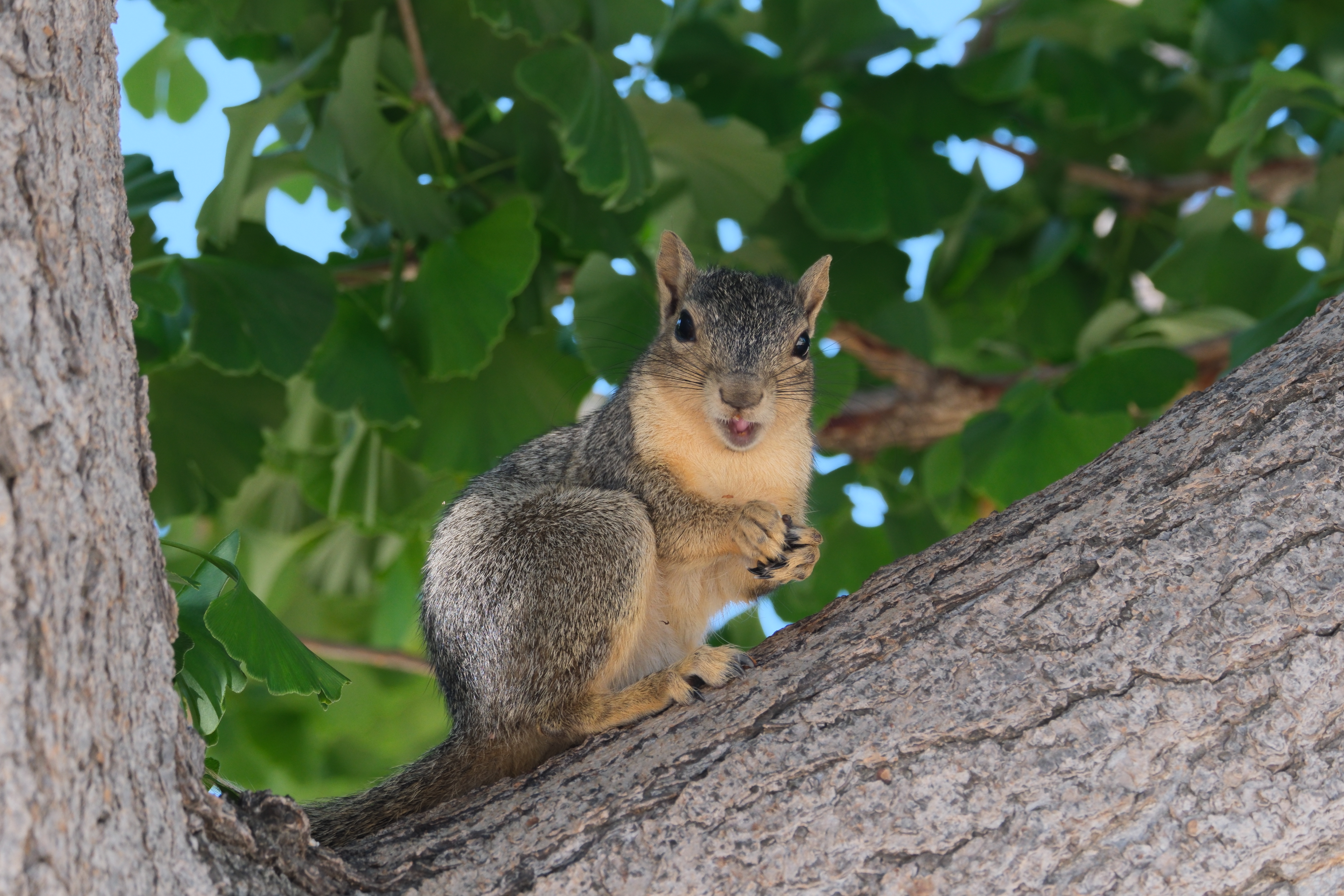
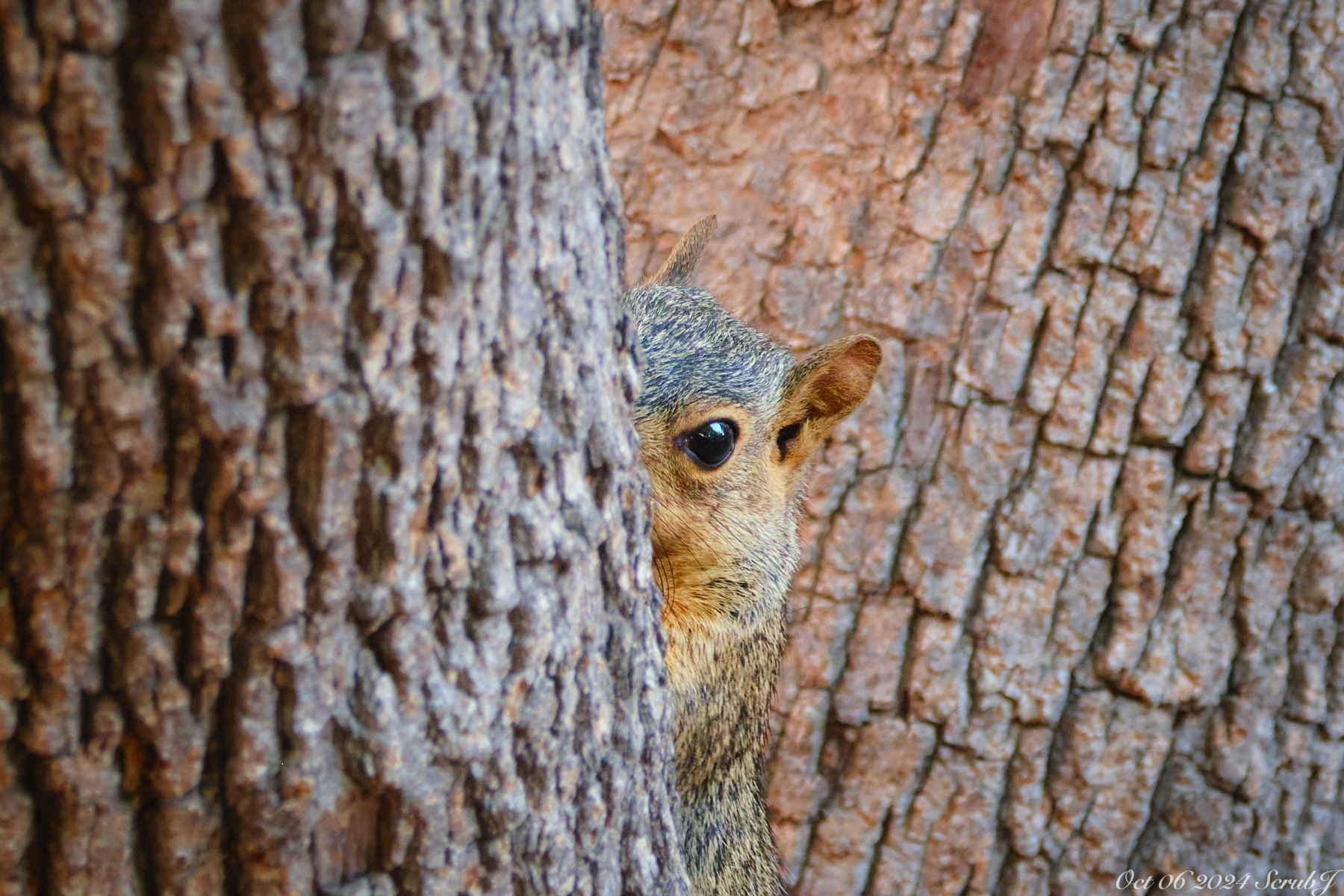
Among the mammals of Caltech, they’re arguably the happiest and freest. While Homo sapiens are burdened with homework and deadlines, and coyotes stick to moonlit hours to avoid the crowd, the fox squirrels roam wherever their paws take them. Stroll across campus and you’re guaranteed to spot one: foraging randomly in the grass (no, they don’t remember where they bury their nuts), lounging on a branch, or chasing a friend in spirals around tree trunks, like a dazzling ribbon in the hand of a gymnast. Even if you don’t see one, just look up: the treetops are decorated with their nests, ready for year-round breeding.
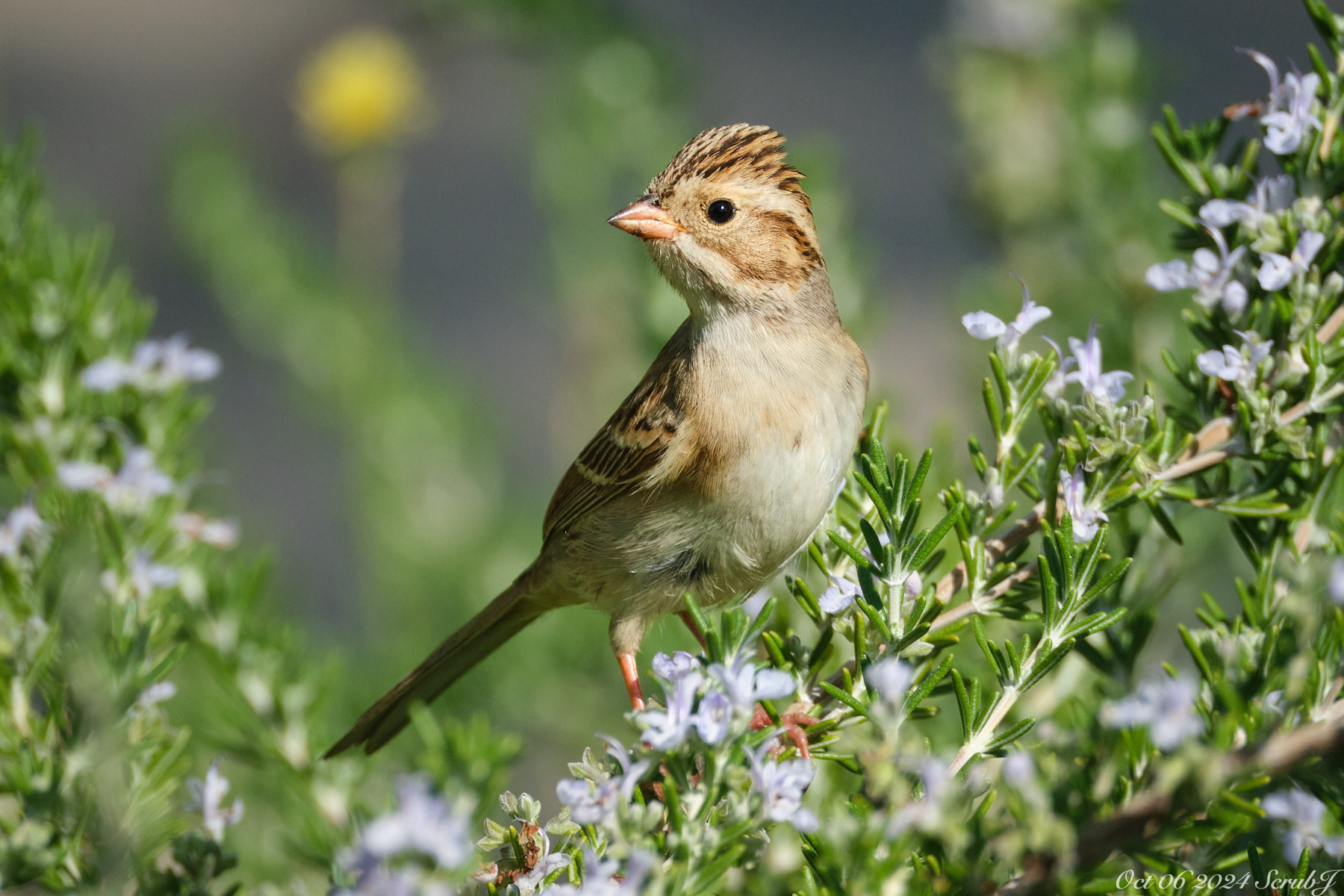
Pasadena alone has a surprising number of foreign bird species. Look closely and you can spot these feathered visitors daily at Caltech—including some that are endangered. This week’s wildlife column is about these special bird immigrants.
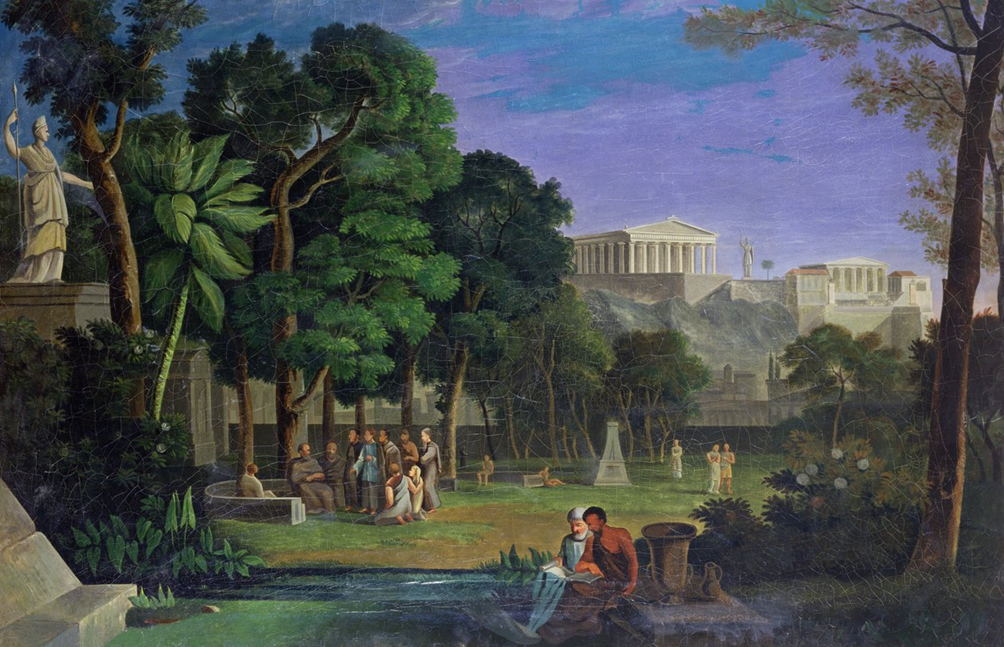
Connecting three philosophers that created a specific school of thought in Magna Grecia. The Mediterranean sun hung low over the horizon, casting long shadows across the olive groves…
Spring at Caltech is a season of rapid transformation. Step away for just a few days, and you’ll return to a campus bursting with changes: the once-bare branches are now decorated with colorful flowers. The drastic changes aren’t limited to flora – migrating wildlife also contributes to the seasonal dynamics.
There is a question pulsing quietly beneath the surface of every lab bench, every line of code, every equation scribbled onto a whiteboard: Why are we doing this? Is it for discovery, for prestige, for the betterment of humanity—or something more elusive? At Caltech, we pride ourselves on pushing the boundaries of what is knowable, and we do, no one says the opposite. We decode the stars, manipulate the quantum, edit genes and simulate the brain. But in a world full of complexity, speed, and ambition, can knowledge make us wise? Can science teach us how to live well?
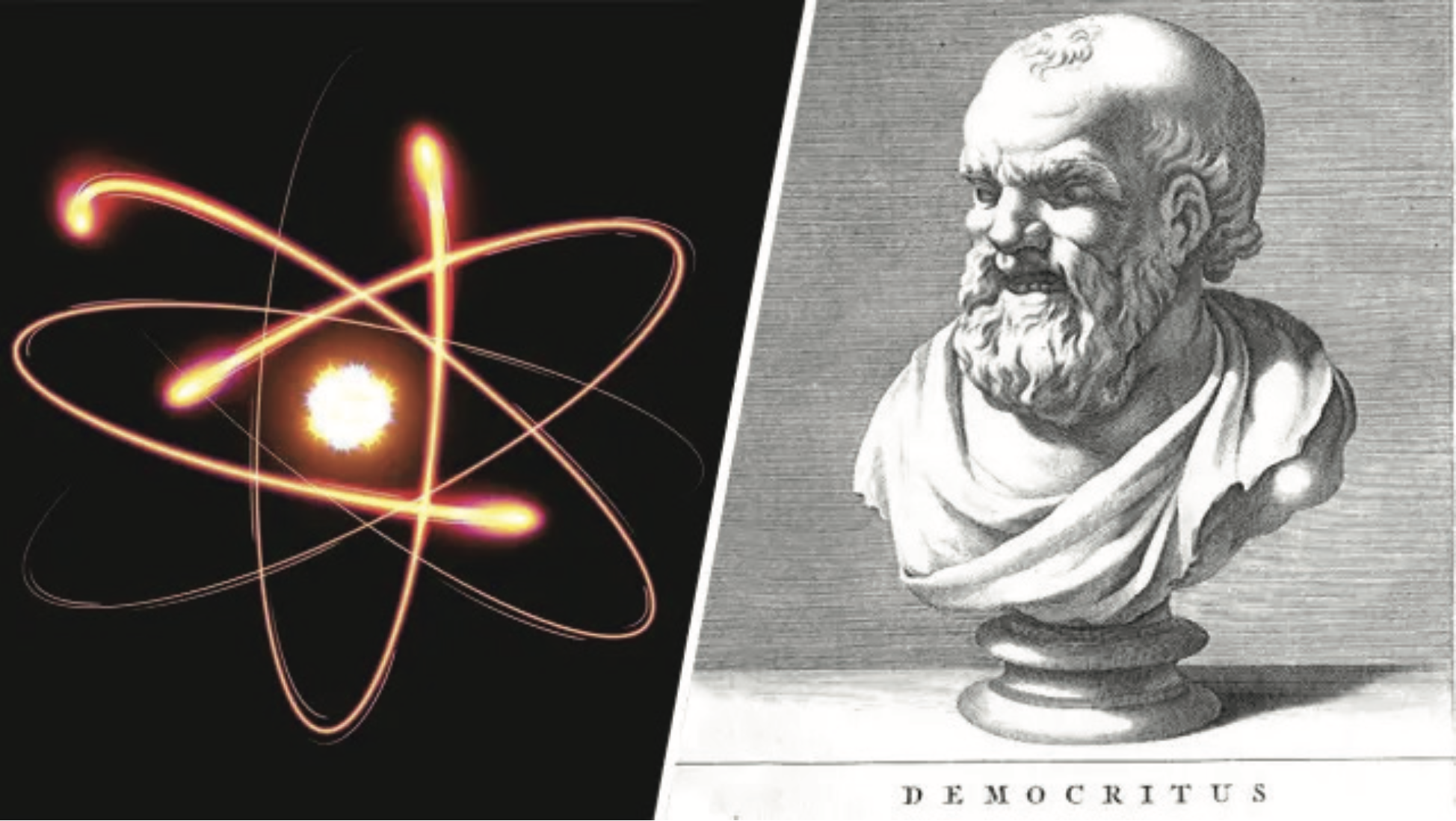
If Democritus were alive today, he’d fit right in at Caltech—probably wandering around campus, laughing at his own jokes, and asking if he could borrow a supercomputer “just to check something.”