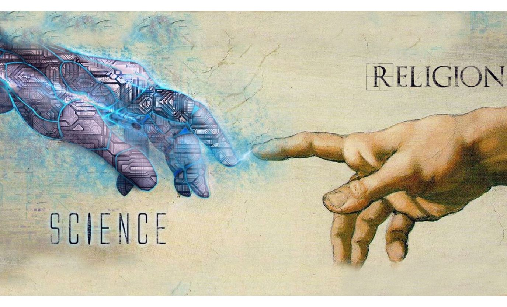
The second floor of Kerckhoff had an unusual stillness that evening. People trickled into the small library room for the Science and Faith Examined (SAFE) talk, uncertain yet curious. I sat near the back, notebook open, listening to Tara—a physics PhD student and president of GCF—unfold her reflections on quantum field theory and the Bible.
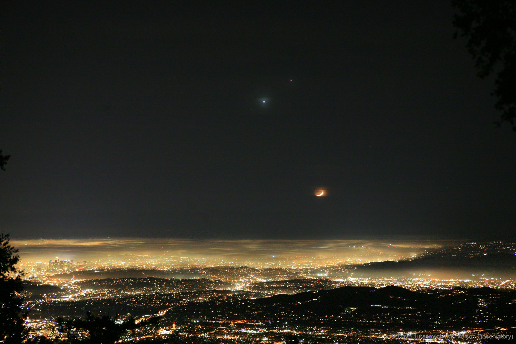
Jupiter was getting brighter than I’d ever seen it, brighter in real terms, closer to the earth, than it had been since 1963. And not only was it getting closer than ever, the online forums said it would be in “opposition”—directly opposite the sun from the earth’s perspective, like a full moon, only a full Jupiter.
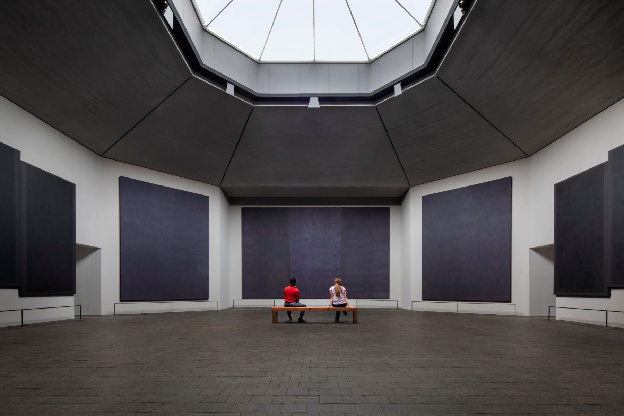
The Houston heat wrapped around me like an invisible shield as I navigated the city with the strange feeling that I was not walking to a lab or a museum, but to something that provided silence. The Rothko Chapel is hostile to sound: black walls, enormous canvases, light that doesn’t so much illuminate them as permeate through like some ancient sigh.
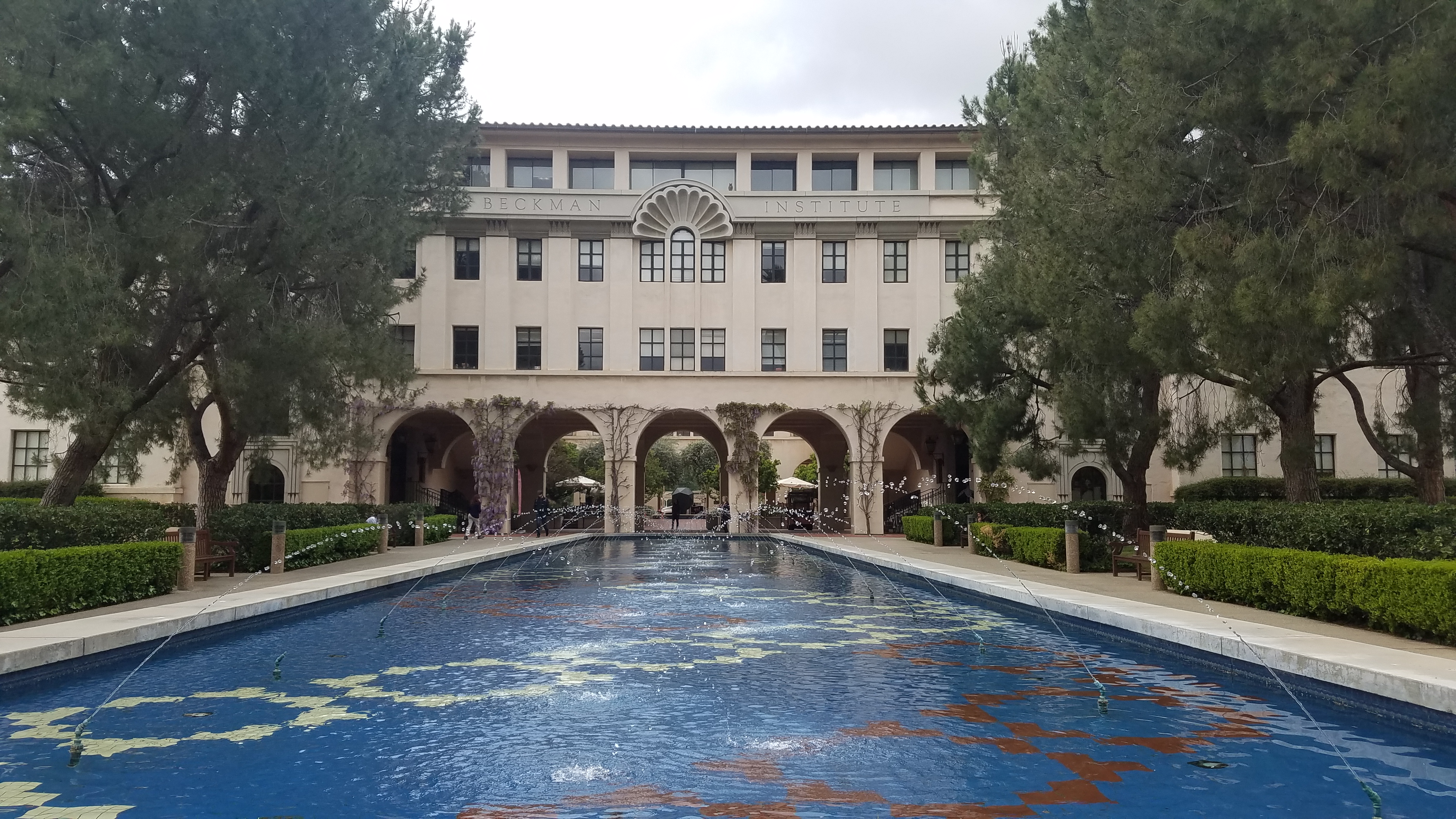
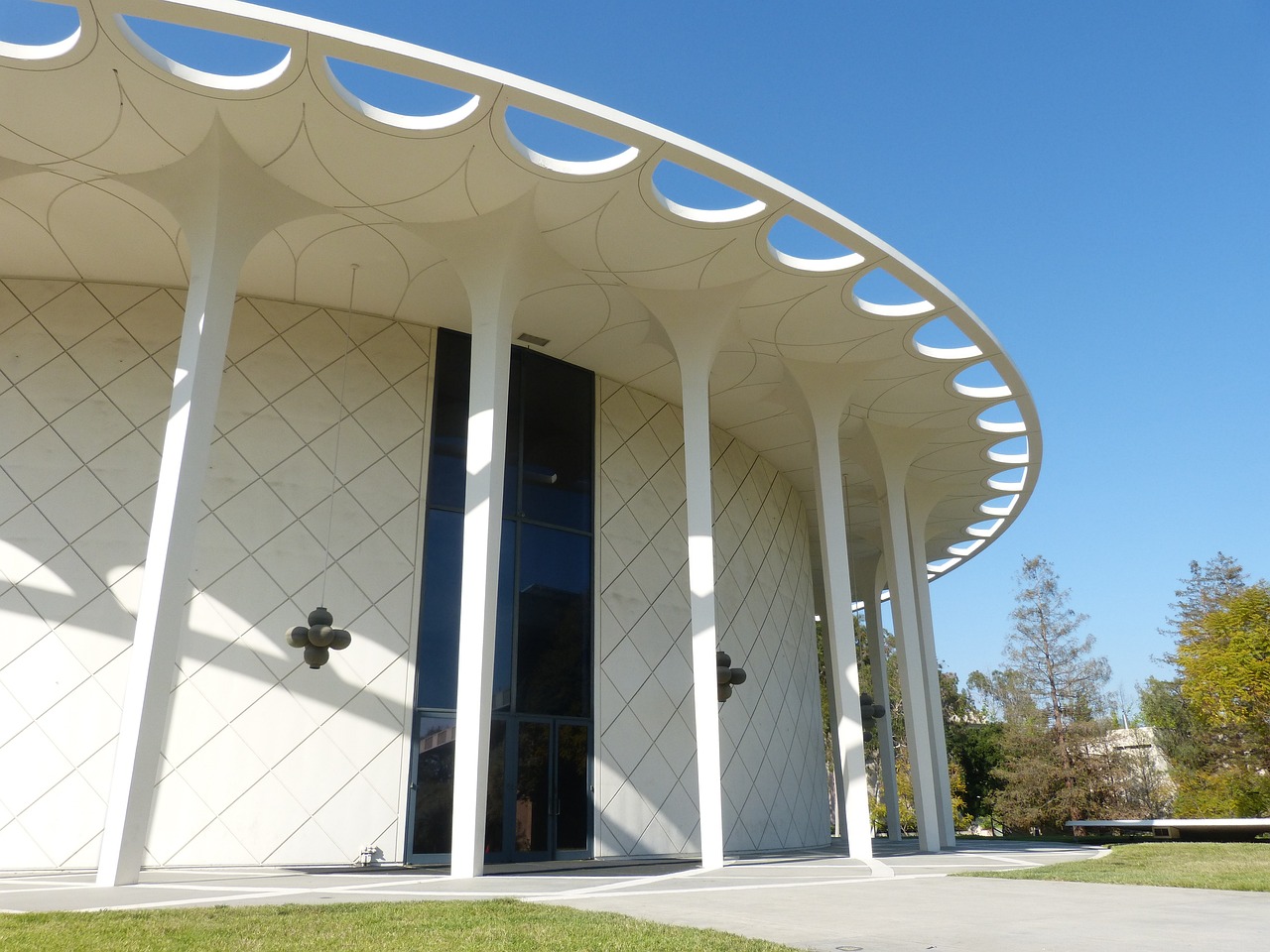
When I first set foot on Caltech’s campus, I felt like a contestant on a reality show called Survivor: Genius Island. I was fresh off the plane from Milan, armed with a suitcase full of dreams, a double major in biology and chemistry (because why not suffer twice as much?), and a secret hope to someday heal cancer. I planned to take the world by storm—or, at the very least, survive my first quarter without accidentally setting something on fire in the lab.
I had my mouth pressed into the sand. I was breathing hard—desperate, shallow, uneven. I could feel the grains entering my nose, throat, and lungs. Somewhere nearby, I heard the rapid thudding of hooves, the panicked exhale of a frightened horse. For a moment, I couldn’t remember where I was. I couldn’t piece it together. The memories didn’t come in order; they arrived like broken glass, sharp and disjointed. My helmet. My shoulder. The ground. Pain. Sharp pain. A blinding throb in my knee.
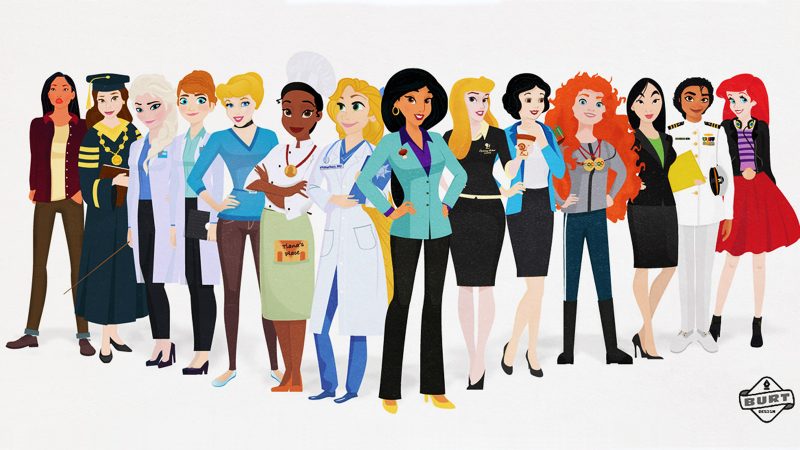
As I lean over my desk, slumped between piles of textbooks and scrawled notes, the weight of my schoolwork drags down my mind. The pressure to excel academically and carve out a niche in the competitive university environment sometimes becomes overwhelming. Yet amidst the chaos of deadlines and exams, an old song unexpectedly pierces the drudgery. The rich, sweeping sounds of “Belle” from Beauty and the Beast sweep me, in the blink of an eye, from the chill of my dorm room to one of wonder and magic. In an instant, I am no longer a struggling student trying to find her place, but a capable, independent young woman, venturing out into the world’s possibilities. The burden of academic intensity and the pressure to conform to societal norms melt away, replaced by a sense of empowerment, joy, and pure fantasy.
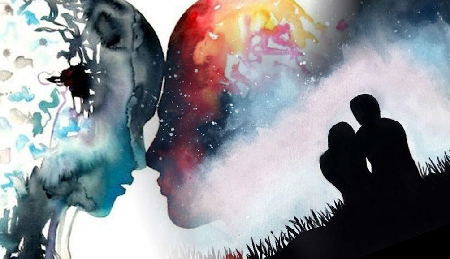
It’s 2:17 a.m., and here, time—so rigid during daylight, dictated by the unyielding rhythm of schedules and the steady ticking of laboratory clocks—has become fluid, expanding and contracting with the beat of my thoughts. I sit cross-legged on the windowsill of my Caltech dorm, my knees pressed against the cold glass, staring out at a city that sparkles with flickering lights and unformed aspirations. In the stillness of these early hours, with a mug of tea cooling beside me, the world falls quiet enough for the oldest questions to resonate more powerfully: What is love, if it even exists?