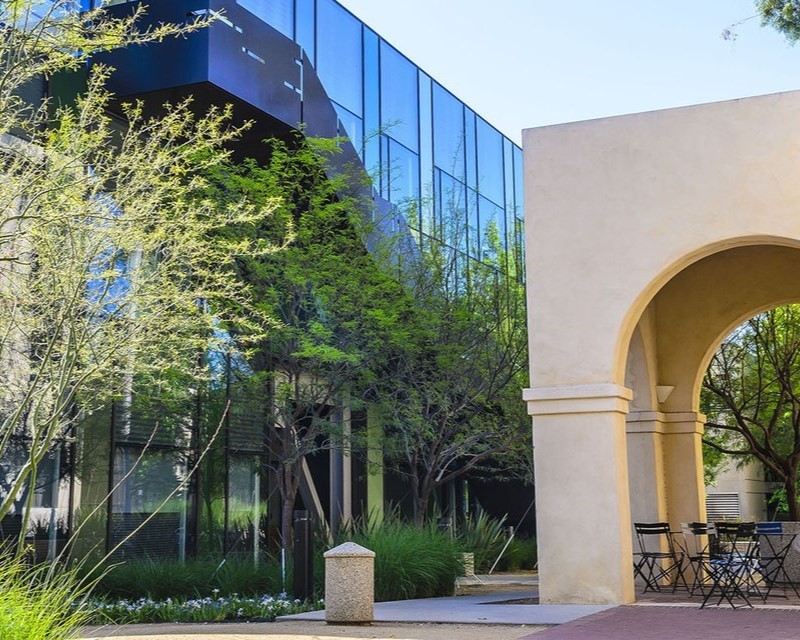
Disclaimer: This is satire. Mostly. Let’s talk about the familiar experience of falling for someone on a campus so small that it may, in fact, be a social experiment.
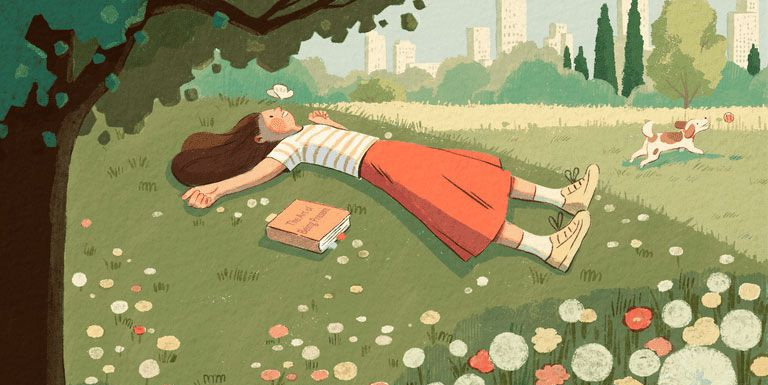
It sounds counterintuitive, but trying to avoid all suffering can make you more miserable. If your life is organized around avoiding discomfort—skipping hard classes, avoiding difficult conversations, numbing out with Netflix and social media—it’s not working, is it?
In the not-so-distant past, the idea of designing one’s offspring belonged to science fiction. Genetic technologies were developed with noble aims — to cure diseases and prevent deadly inherited illnesses.
The sound is unmistakable. Click-clack. Click-clack. Hard plastic striking frozen asphalt. It is the music of 5:00 AM, played out in the dark parking lots of the Dolomites. I was three years old when I first learned the rhythm of it, my small, gloved hand lost inside my father’s palm.
In March 2021, a digital collage file by the artist Beeple sold for an astonishing $69 million at Christie’s auction. The buyer of this NFT (non-fungible token) didn’t receive a physical object or exclusive rights to the art — essentially, they paid for a certificate of ownership recorded on a blockchain.
If you wanted a measure of American assimilation, adherence to imperial/customary units (miles, Fahrenheit, etc.) and the month-day-year system of record would be a good place to start. What follows is a defense of these three American customs that so often become flashpoints in the most Caltech of dinner table conversations.
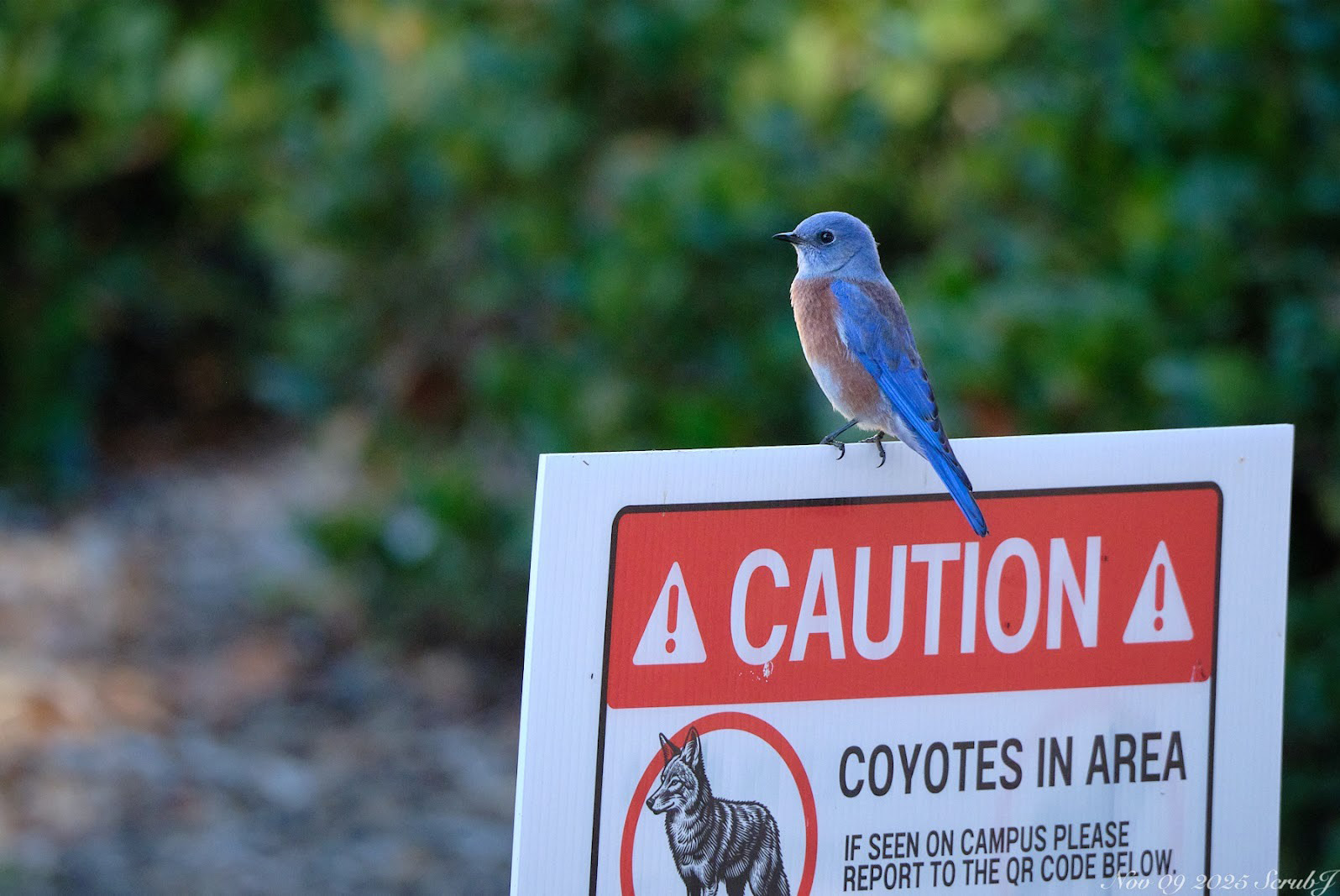
Sunday, Nov. 9, Caltech hosted its inaugural campus bird walk with the Pasadena Audubon Society (PAS), a local nonprofit dedicated to birding and bird conservation.
Okay, so if happiness isn’t the next achievement or perfect Instagram moment, what is it? Enter Aristotle, who’s honestly the GOAT when it comes to this stuff. He had this word—eudaimonia—that gets translated as “happiness” but really means something closer to “flourishing” or “living well.”
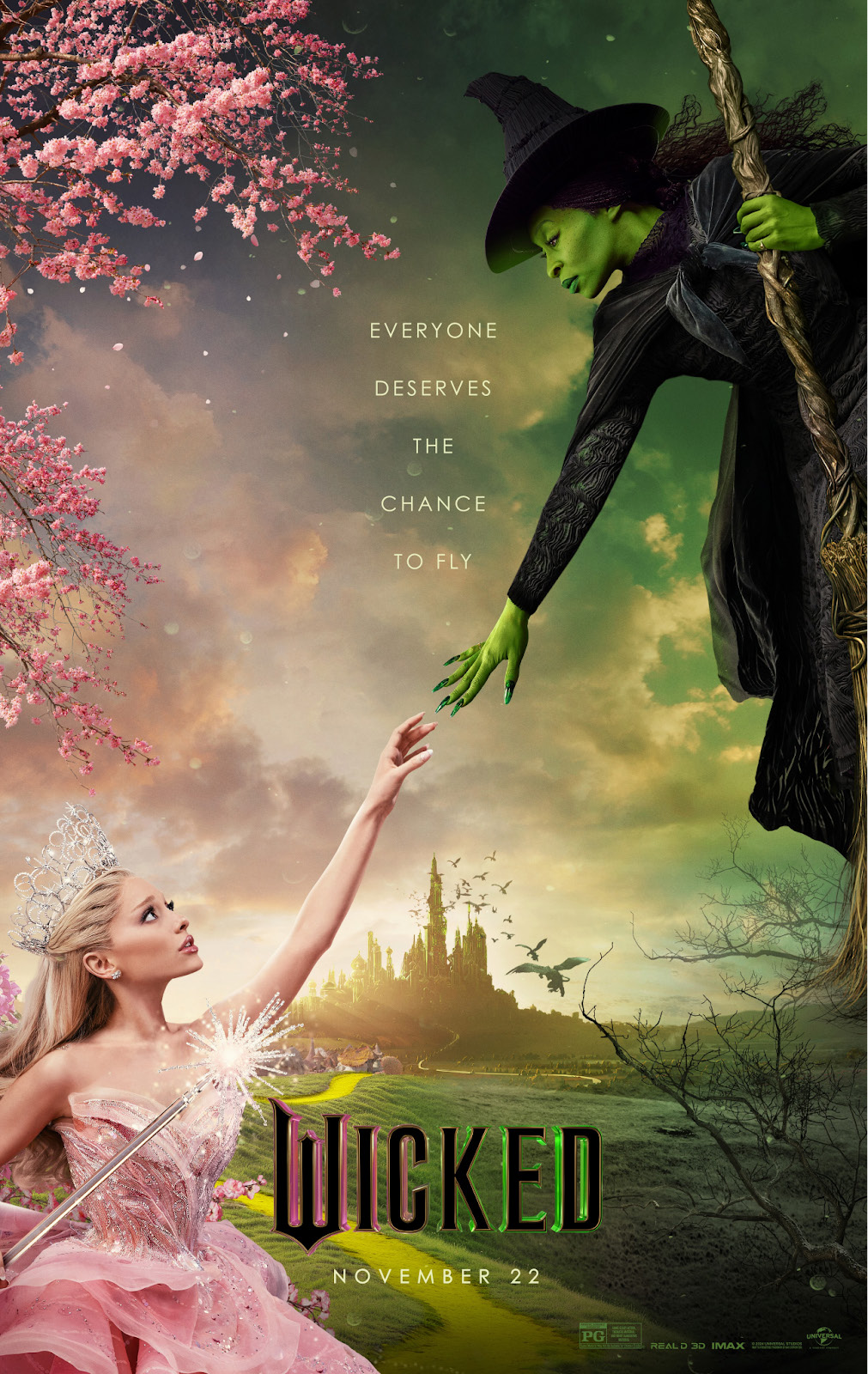
I’m sitting here three days later, and I still can’t get it out of my head. The movie, I mean. Wicked. I went because everyone was going and I needed a break from studying for finals and maybe because I was curious about all the hype but I wasn’t expecting… this. I wasn’t expecting to leave the theater feeling like someone had reached into my chest and rearranged everything.
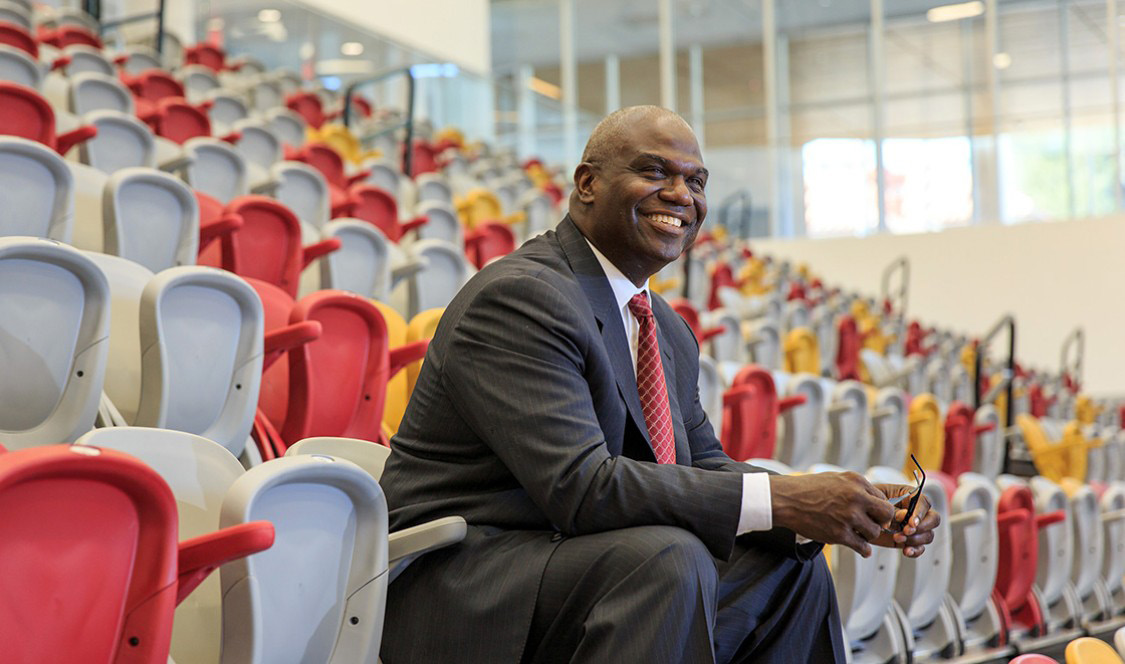
From the gridiron to the front office, Terrance “Terry” Tumey’s career spans roles as a college football player and coach, an athletic director in Division I, II, and III institutions, and an executive at the San Francisco 49ers. He earned a B.A. in political science from UCLA, where he played and later coached football, and completed his MBA at UCLA’s Anderson School of Management. Last month, Tumey joined Caltech as the director of Athletics, Recreation and Instruction (ARI).