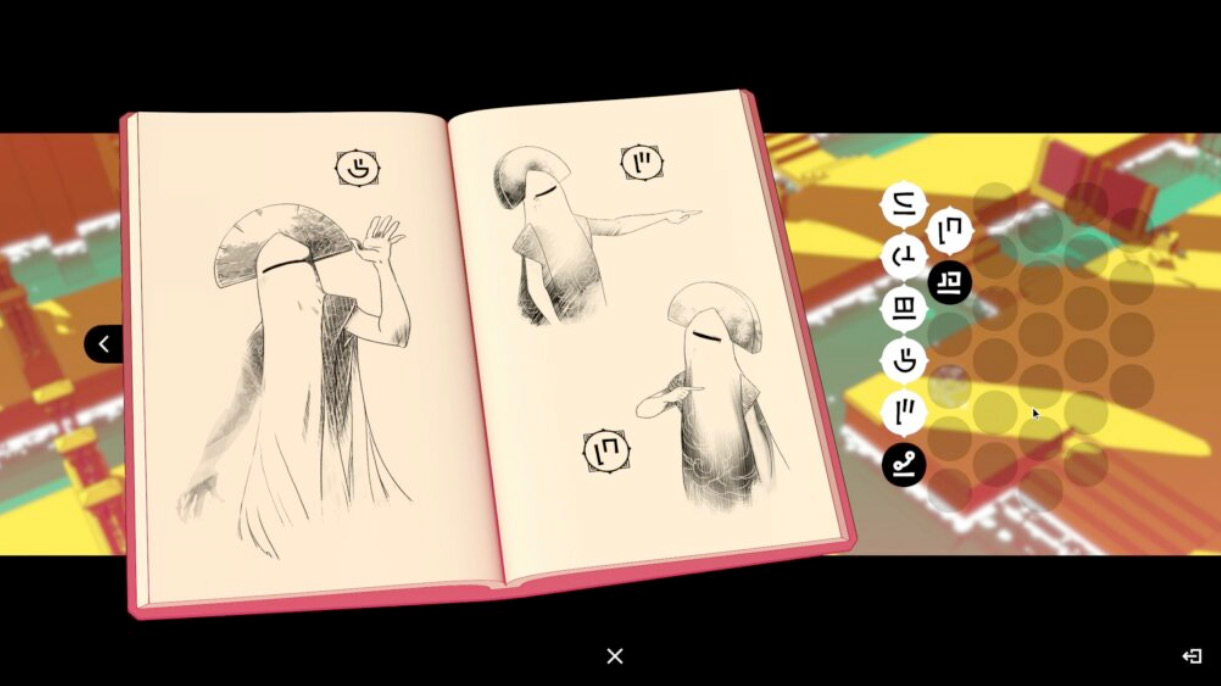
When suggesting games to friends, I’ll often get a response along the lines of “Oh, I’m not good at games.” This statement can be a bit confusing in that it is so general. What does it mean to be “good at games?” There are definitely types of games one might not be good at, for example I suck at shooters, but I find it hard to believe that one can be bad at all games.
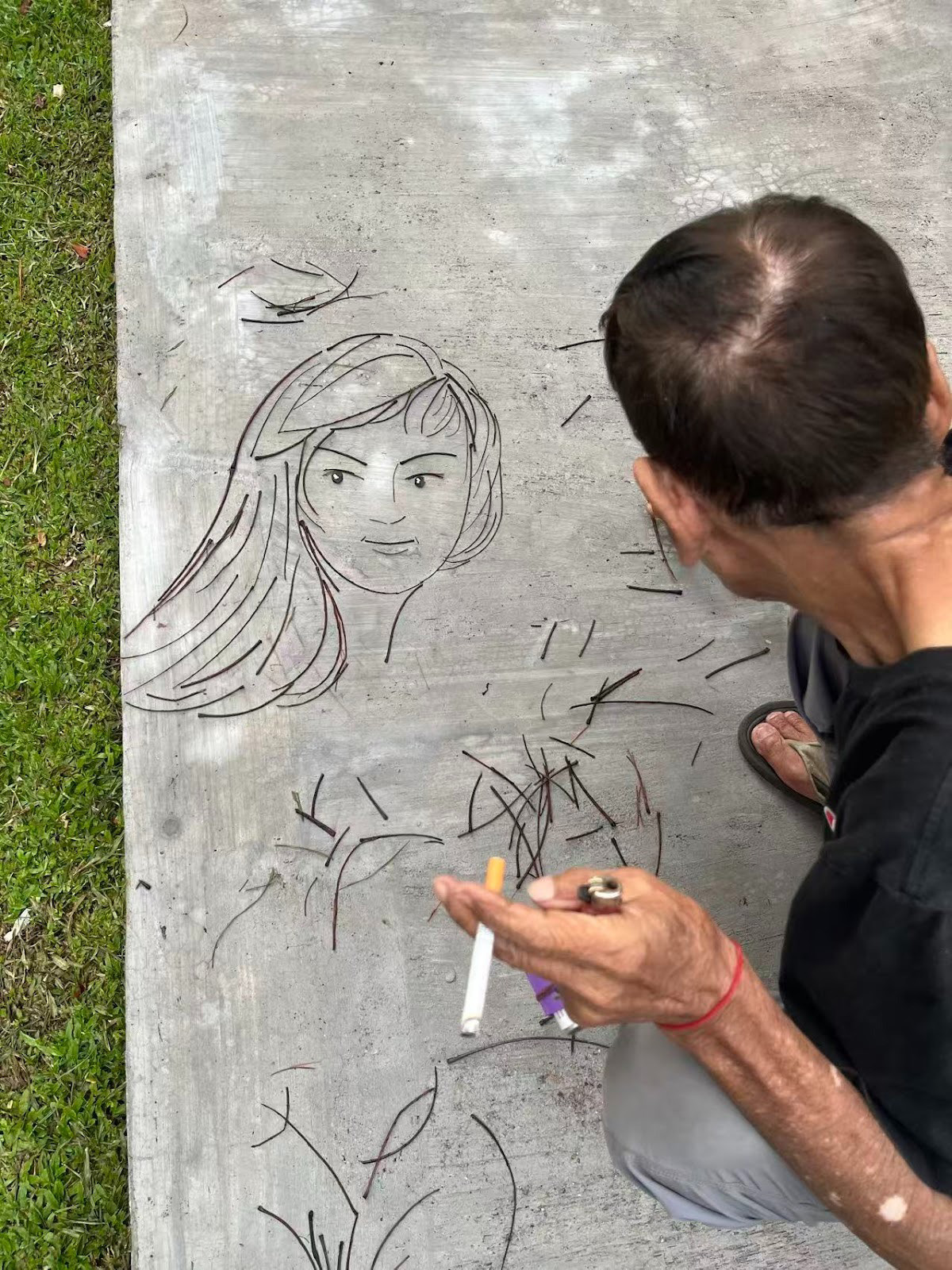
Many talented artists have existed throughout history; these people—Van Gogh, Da Vinci, DeVito, etc.—have a special connection to their craft, every creation advancing the world of art one stroke at a time. Presently, people can only observe their works in museums and exhibits, but never witness their creation. However, as I learned this summer, these masters of art still walk among us.
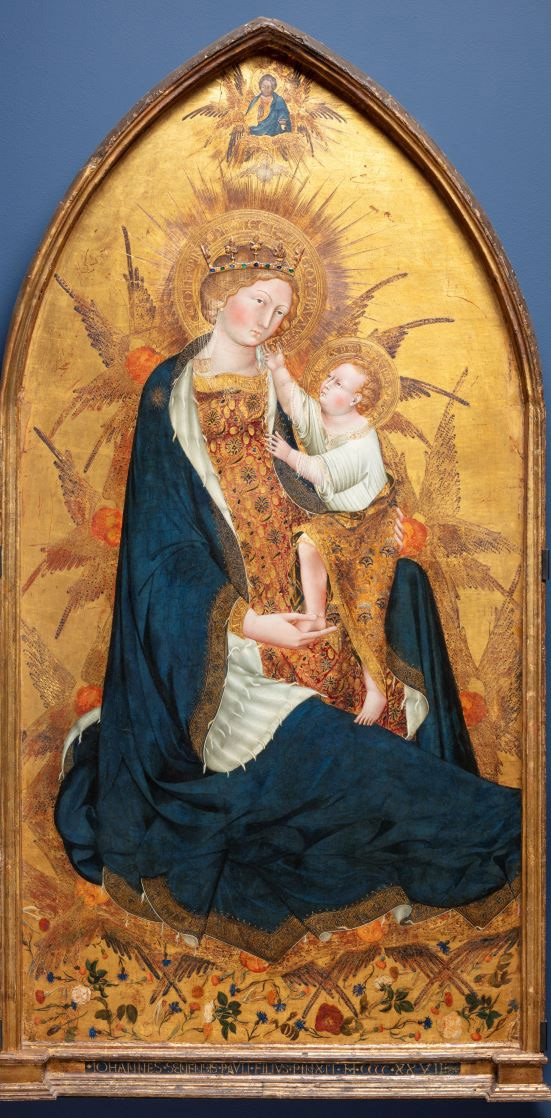
Gold has captivated humanity for millennia. In 1848, the discovery of gold at Sutter’s Mill in the Sierra Nevada foothills initiated one of the largest migrations in U.S. history and left a lasting impact on the environment.
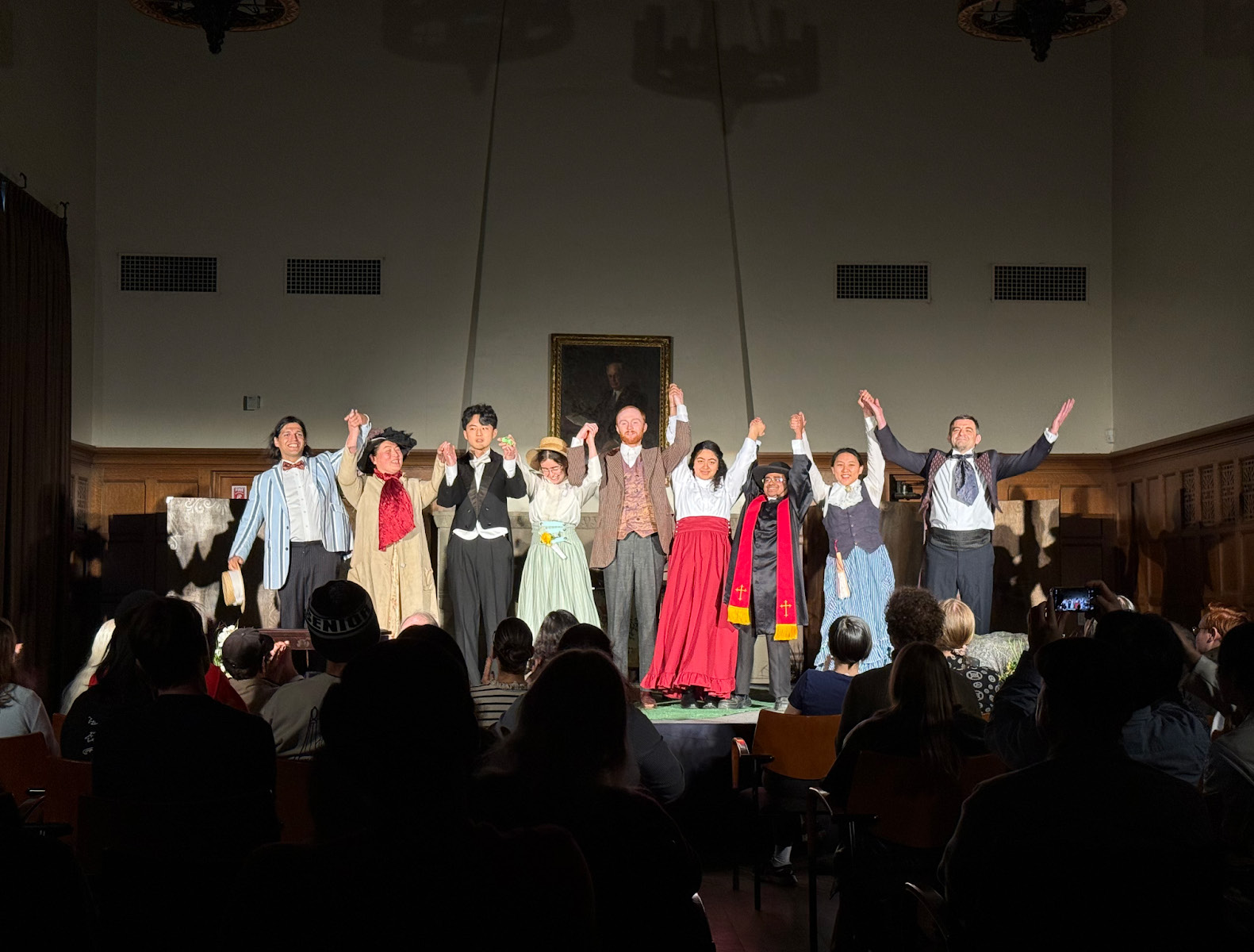
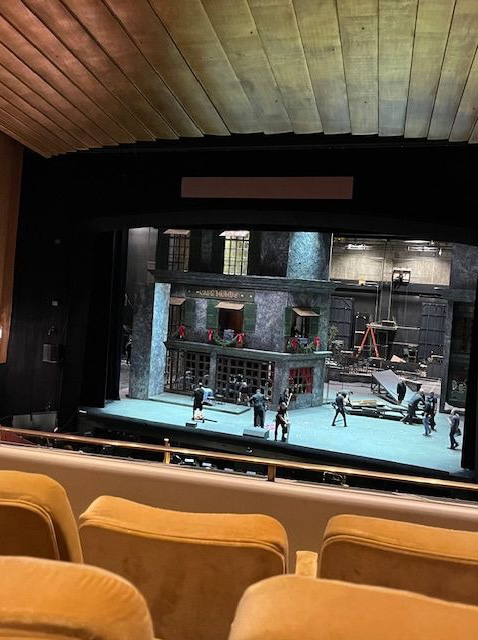
Oscar Wilde subtitled The Importance of Being Earnest “A Trivial Comedy for Serious People,” but the Theater Arts at Caltech (TACIT) cast made clear in their recent production that the inverse is equally applicable: a serious comedy for people who can appreciate some well-placed triviality.
There will always be that strange feeling—the fear of not belonging, the sense that everything I do is so tiny, so fragile and transient that nothing will remain.
The November air was 50 degrees when we lined up outside the Dorothy Chandler Pavilion. I adjusted my layers—comfortable but warm, as the email instructed—and felt my heart racing. It had been so long since I’d heard Italian sung like this.
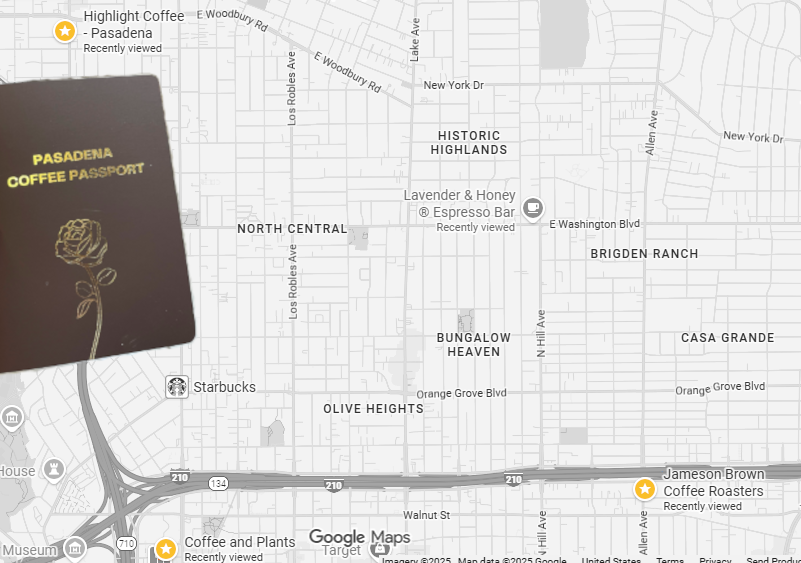
Time to review three more coffee shops featured in the 2025 Pasadena Coffee Passport! Last issue, I reviewed Mandarin Coffee Stand, the Boy & the Bear, and Lavender & Honey. This time, I have explored another three coffee shops of the fourteen shops in the passport.
I know you’re probably sitting in your dorm room right now, stressed about midterms, wondering if you picked the right major, scrolling through Instagram and feeling like everyone else is happy and has their life figured out except you. Spoiler alert: they don’t.
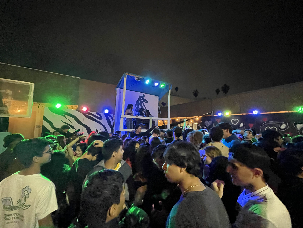
Page Hovse kicked off Interhouse season with a full-throttle throwback to the year 2000—back when the world braced for computer doom and dial-up tones counted as much.
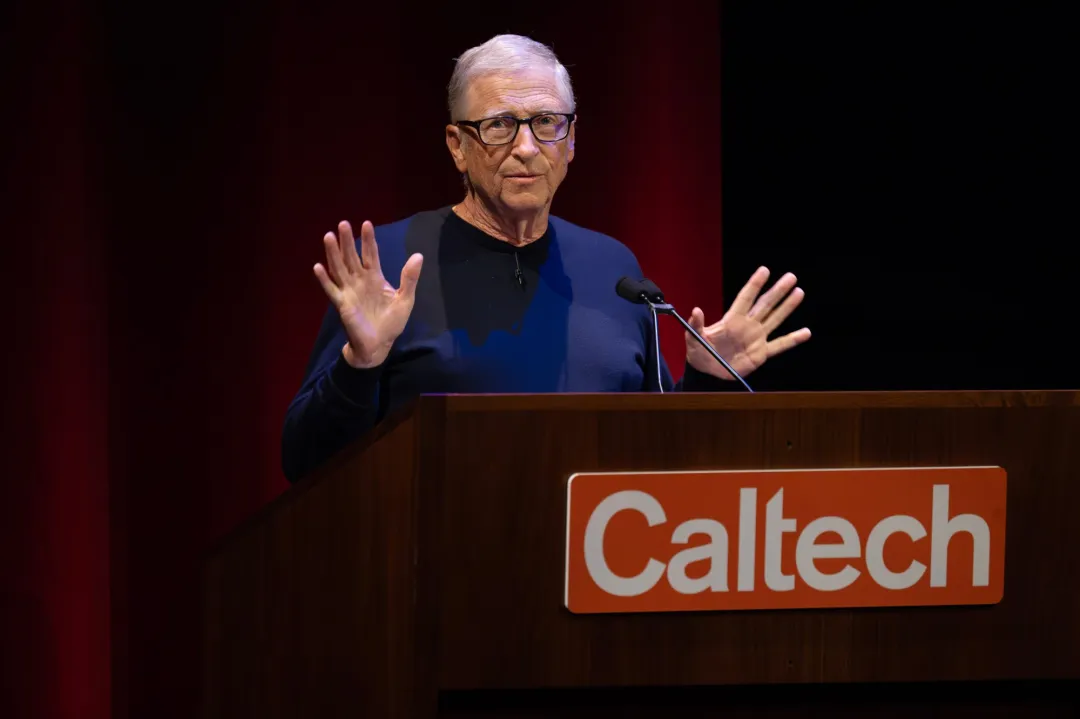
I sat in Beckman Auditorium last night, November 3rd, my iPad open, my pen ready. Around me, students whispered excitedly. Faculty members settled into their seats. The air felt heavy with anticipation—that particular Caltech energy when something important is about to happen.