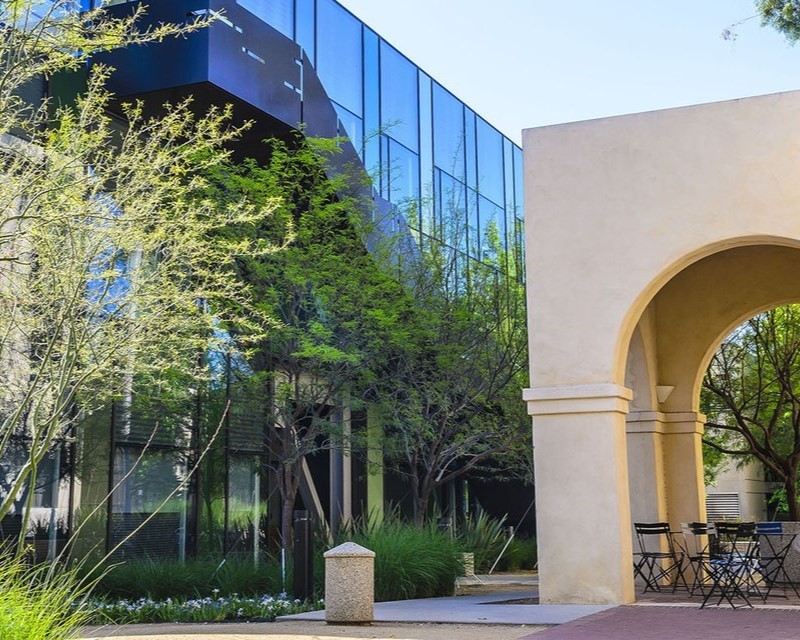
On Friday, April 17, Caltech held the Student Life and Experience Conference (SLEC) in the Hameetman Multipurpose Room, bringing together students, staff, and faculty to discuss undergraduate life. Several committees presented findings and recommendations based on responses from the SLEC survey sent out in January.
Hello Tech readers! Time for the third round of reviews where I explore the San Gabriel Valley food scene with the 2025 MySGV Food Passport. This passport is valid from July 1, 2025, to June 30, 2026, so I have been trying to explore as many restaurants as I can in 2026! For this issue, I grabbed dinner with my Caltech bestie, Kayane, and then we went for ice cream.
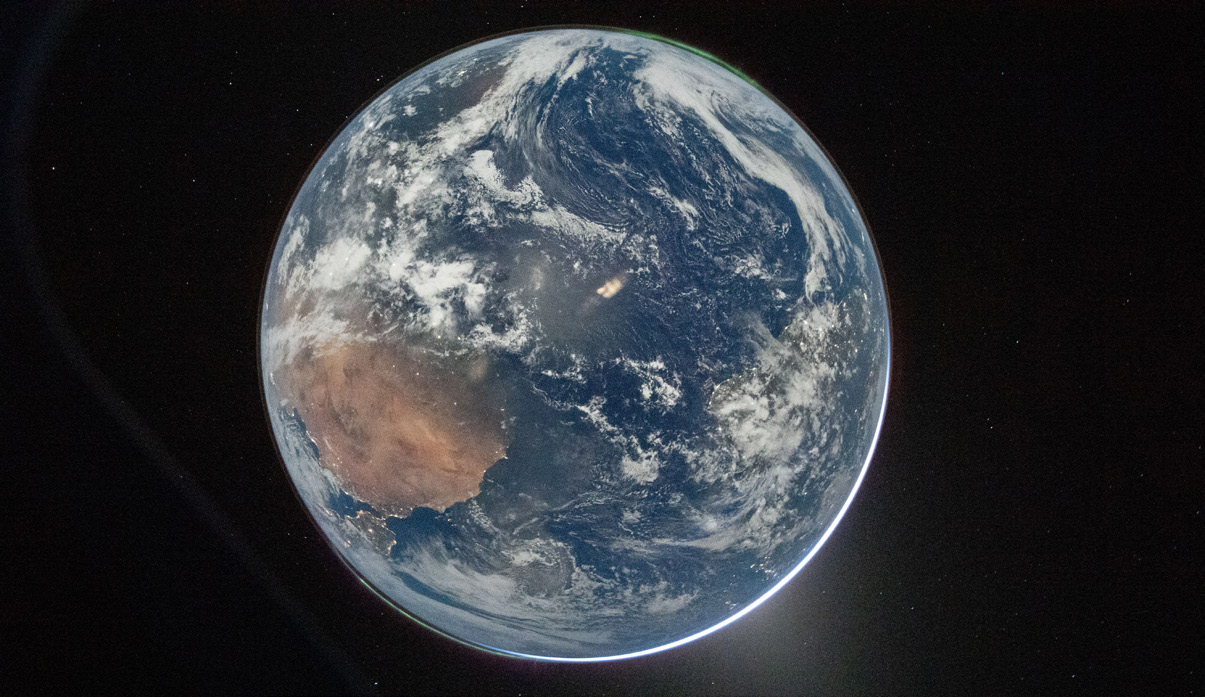
Just days after liftoff from Kennedy Space Center at 6:35 p.m. EDT on April 1, Artemis II has reestablished a capability absent since Apollo 17: human transit beyond Earth orbit. The mission represents the first crewed validation of a modern deep-space system and marks a transition from experimental demonstration to operational architecture for lunar exploration.
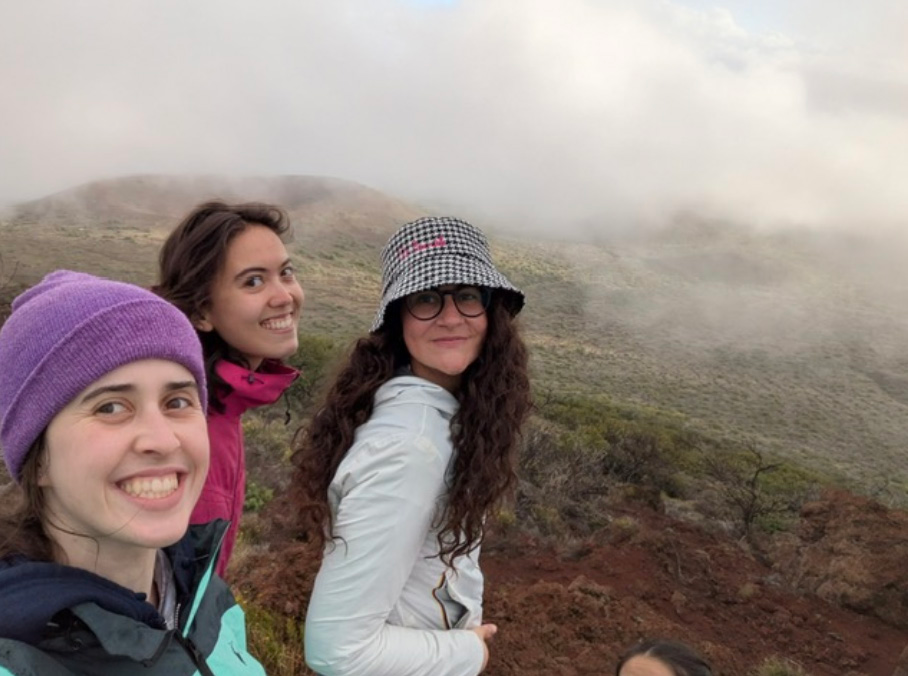
When I went to Hawai‘i with the Caltech Y, I thought I was signing up for a meaningful spring break experience, a chance to see beautiful places, learn something new, and meet people. What I did not expect was that Hawai‘i would touch a wound in me I had carried for years — one I had almost stopped trying to name.
On March 31, Caltech Student Affairs introduced the Orange Folder, a centralized online resource designed to help faculty and staff recognize and respond to students in distress. Announced in a campus-wide letter from Joseph Greenwell, Associate Vice President of Student Life and Chief Student Affairs Officer, the initiative aims to consolidate existing support resources into a single, accessible guide. The tool provides practical steps for identifying warning signs, responding to students in the moment, and connecting them with appropriate campus services.
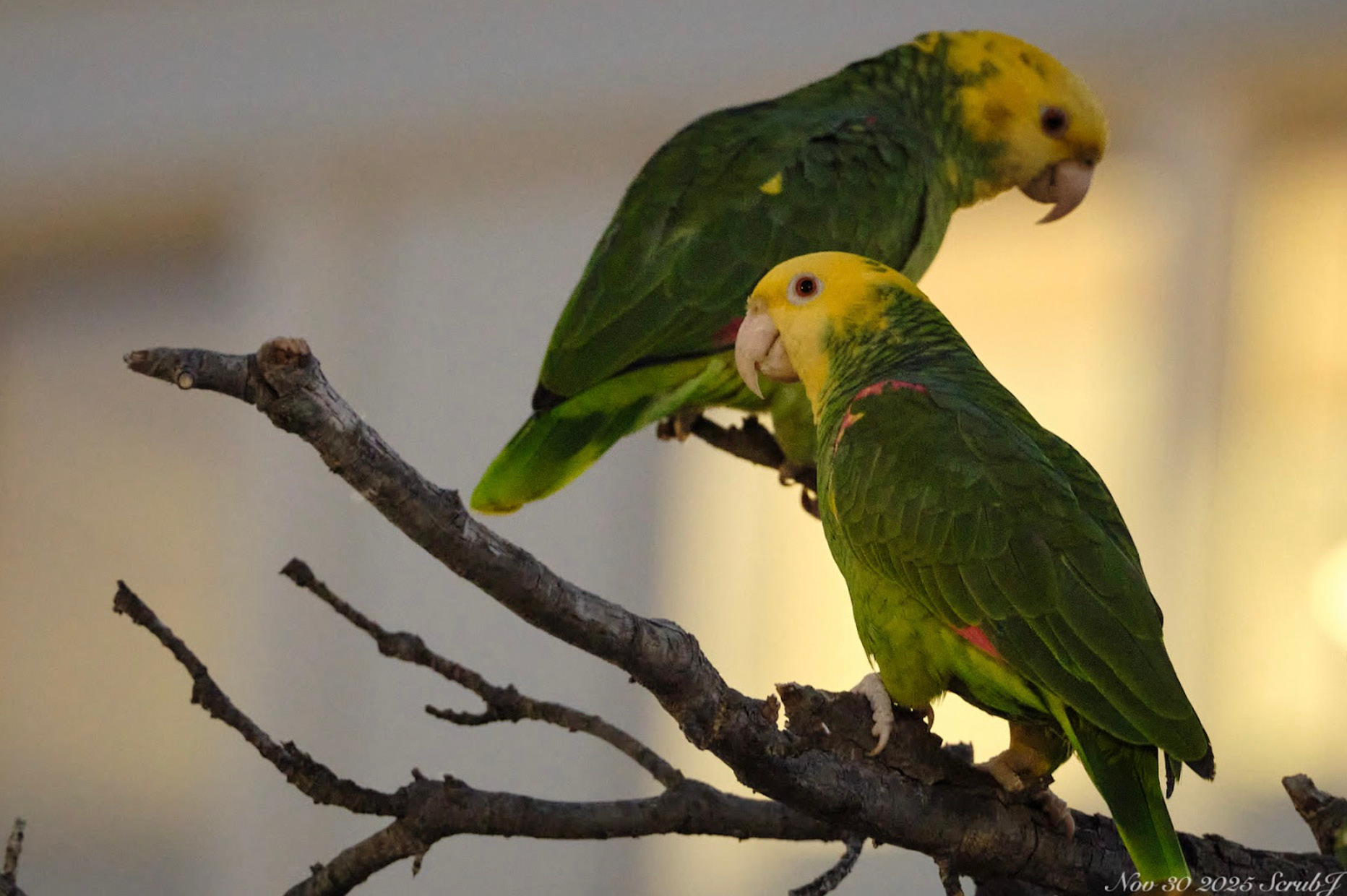
Here is a simple test of conscious living: ask a friend whether they’ve ever noticed the loud cries in the sky at sunrise and sunset. If they have no idea what you are talking about, they are missing a surprising amount of life. Give them a concerned look and point them to this article.
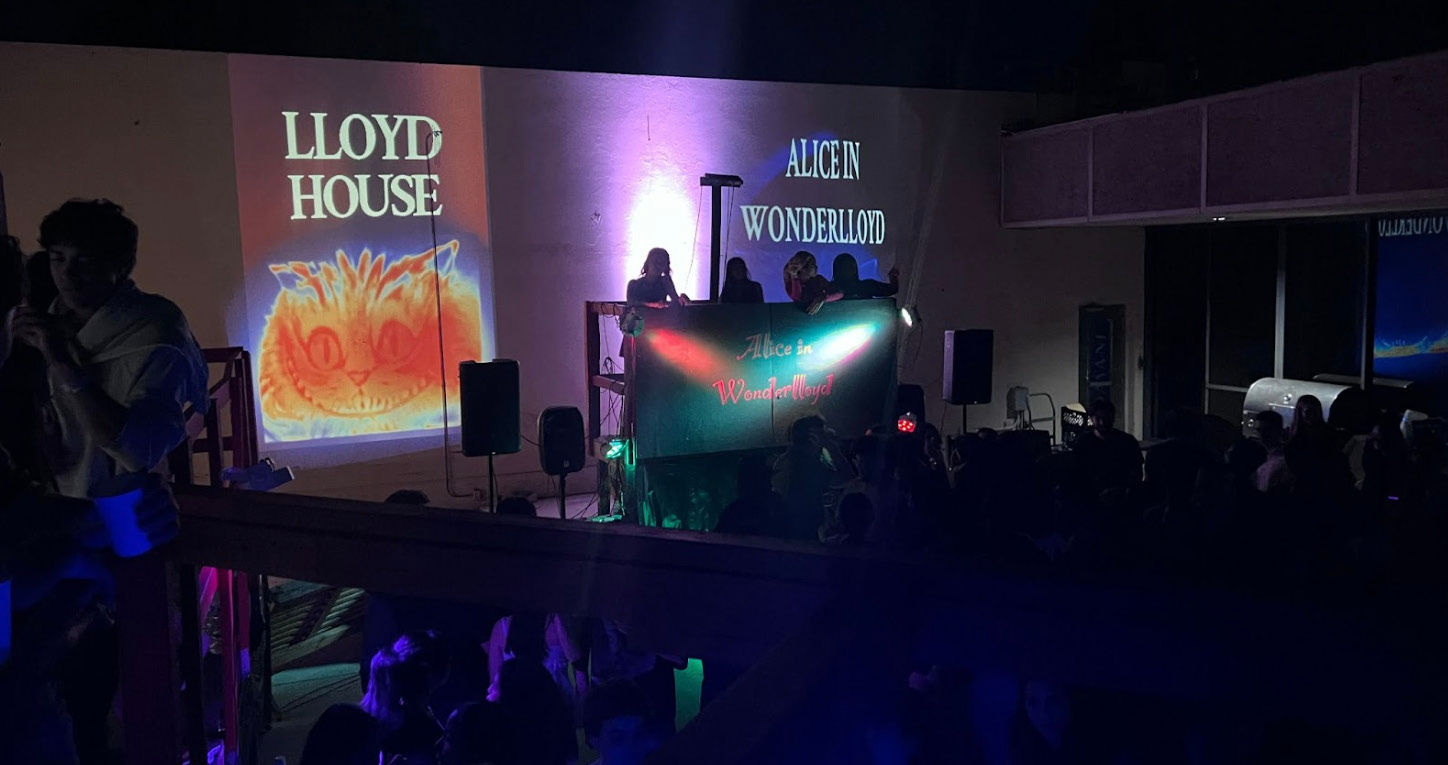
Lloyd brought a touch of the surreal to Interhouse this year with an Alice in Wonderland-themed Lloyderhouse — equal parts whimsical and unhinged in a perfectly Caltech fashion. Walls came alive with Carollian iconography, from a looming Red Queen to playing cards and warped storybook motifs, while a vivid multicolored Cheshire Cat grinned beside the DJ booth, flickering in and out of view under the lights.
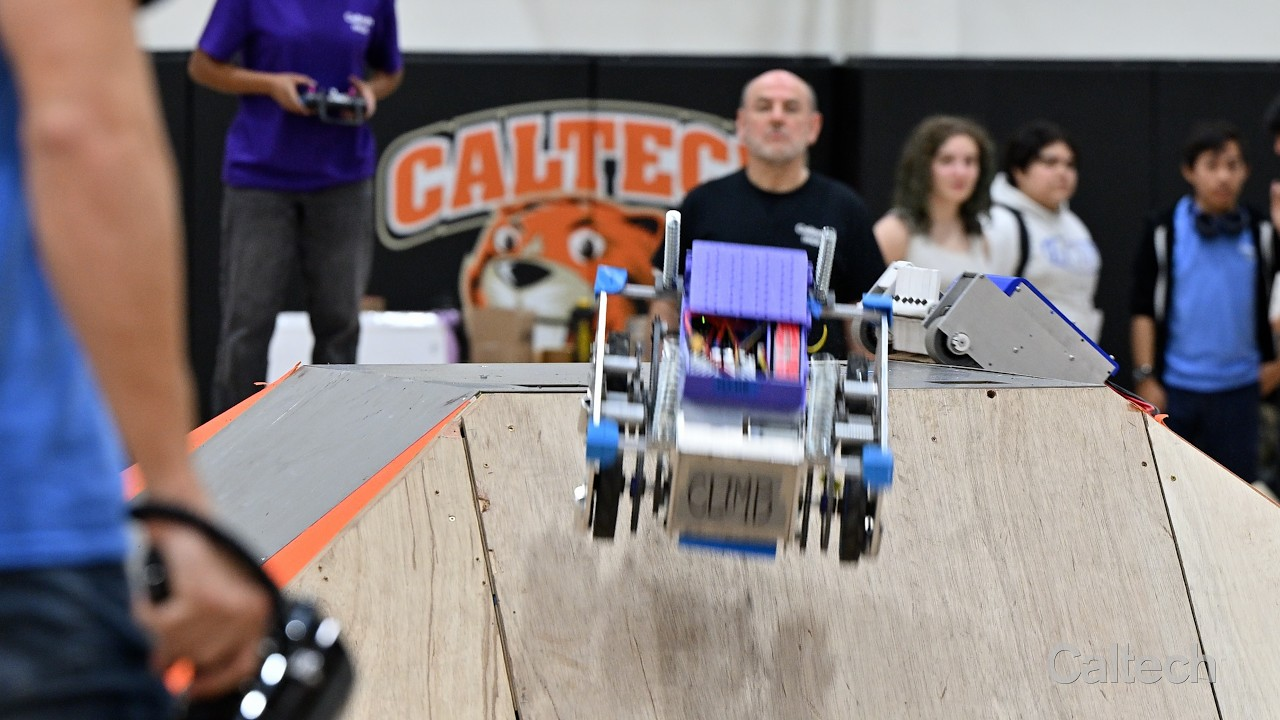
By the time the doors opened at Scott Brown Gym on March 10, the students of Caltech’s ME 72 capstone course had already spent months living inside the problem. For roughly 15 weeks, teams of mechanical and civil engineering undergraduates had designed, machined, wired, coded, tested, broken, repaired, and rebuilt robots for one public reckoning: the 41st Annual ME 72 Engineering Design Competition. When the machines finally rolled onto the floor, the question was no longer whether the ideas were clever. It was whether they would work under pressure.
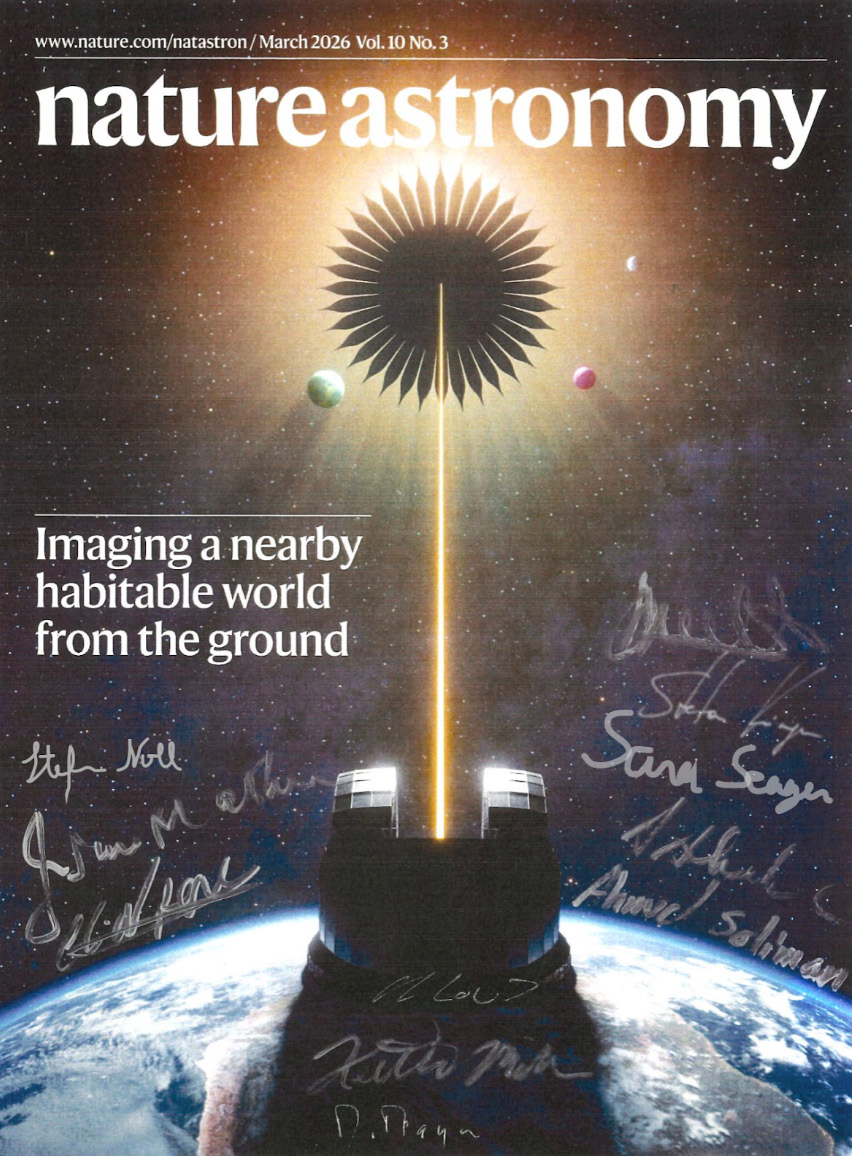
Continuing what we discussed in the previous article (“Can we detect an Earth-like-Exoplanet orbiting a Sun-like-Star for signs of life?,” The California Tech, November 12, 2024), we have published a new study in Nature Astronomy and was selected for the March cover issue of that journal. This study demonstrates the feasibility of directly imaging a Solar System analogue around a nearby star by deploying a space-based starshade in orbit at 170,000 km, to produce an almost perfect shadow across the apertures of Earth’s largest large ground-based telescopes currently under construction.
The Coward said — the deaths of the girls our boys just killed, They hardly affect me. I’m scared that he is right. We see tortured death and all we talk about are gas prices. The Philosopher disagrees with the Coward. Says - we all share the joy of this world. We have lost greatly. The Writer doubts himself. What words from me can bring them justice?