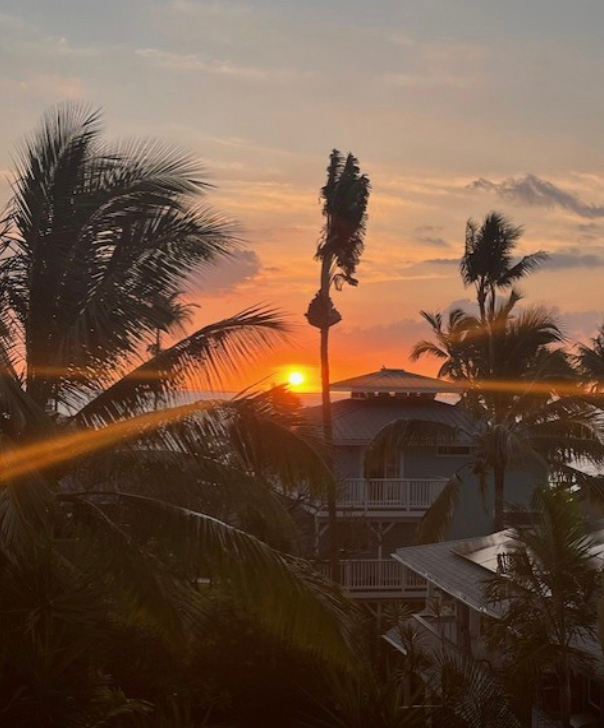
Between Islands and Identity: What Hawai‘i Gave Me That I Had Been Searching for All My Life
When I went to Hawai‘i with the Caltech Y, I thought I was signing up for a meaningful spring break experience, a chance to see beautiful places, learn something new, and meet people. What I did not expect was that Hawai‘i would touch a wound in me I had carried for years — one I had almost stopped trying to name.
I have spent so much of my life feeling like I stood slightly outside of where I was supposed to belong. As if everyone else had roots they could trace, while I was still left asking myself: What are my real origins? Where do I actually belong? Who am I when I am not reflected back to myself by others?
And then I arrived in Hawai‘i.
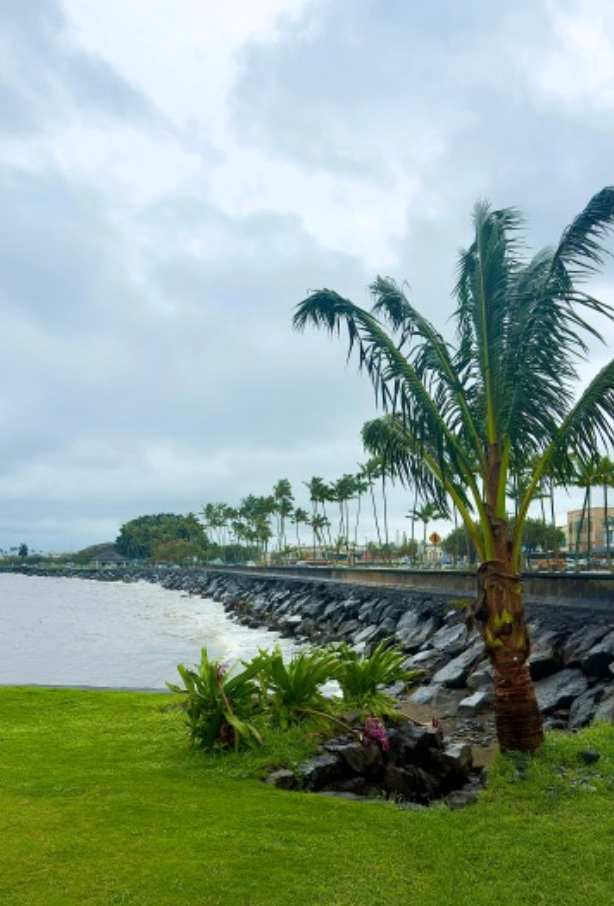
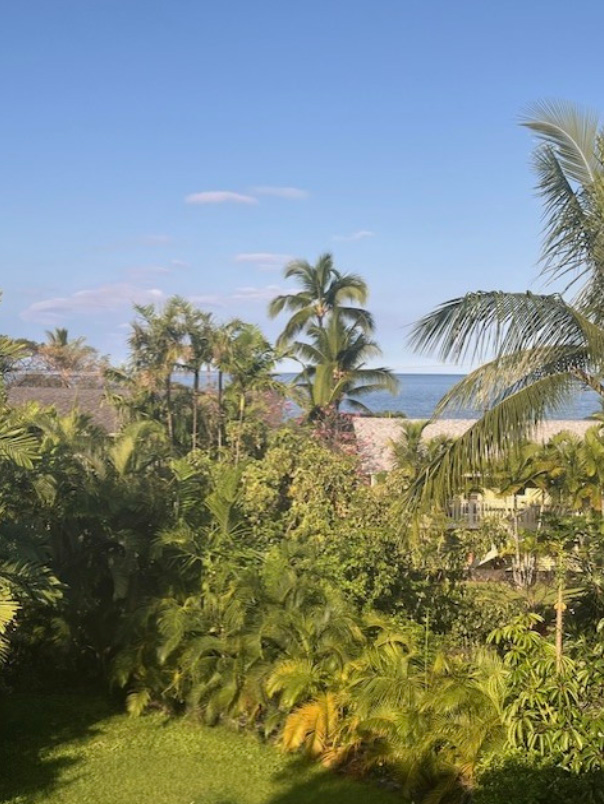
We traveled through Hilo and Kona, and from the very beginning the island felt unlike anything I had ever known. Hilo was green, wet, lush, almost breathing. It felt ancient and alive, as if the rain itself had memories. Kona felt different — darker in some places, shaped by lava and sun, with an energy that felt raw and exposed. Moving between them felt like moving through different emotional worlds. Everywhere I looked, the landscape seemed impossible. It makes you realize how small your imagination has been until that moment.
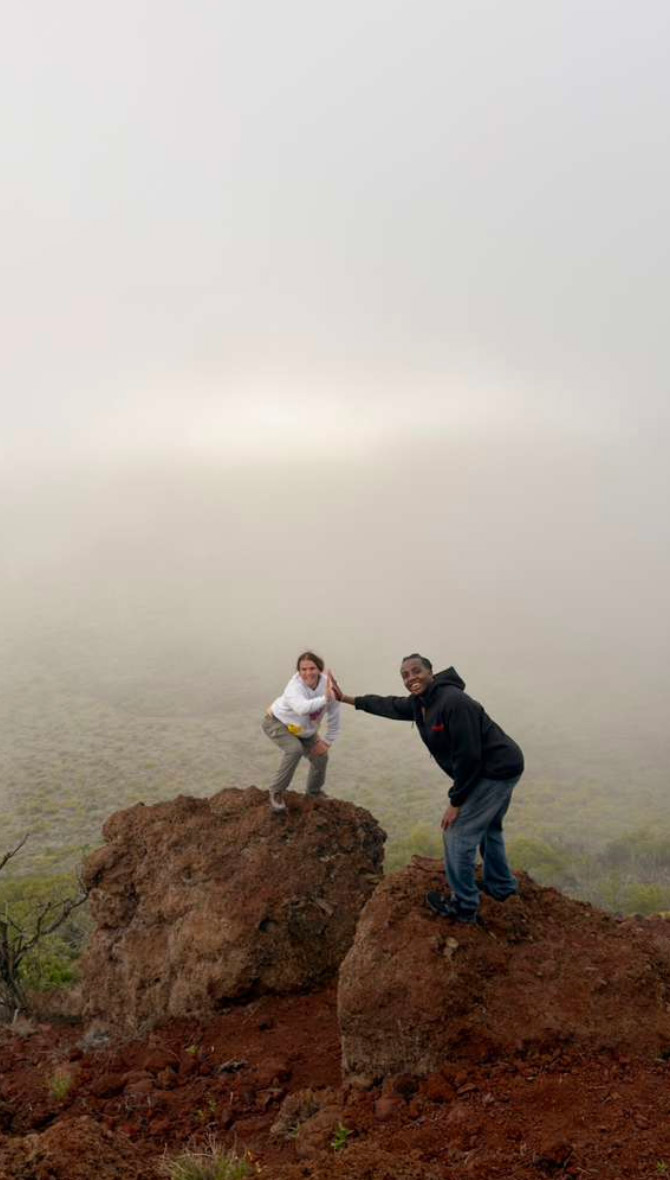
There were views I could never have invented in my mind before seeing them with my own eyes. The colors seemed deeper than they should have been. The ocean was not just blue — it was alive and shifting. The black lava fields looked like something from another planet, yet they belonged perfectly beside the gentlest flowers and the softest skies. Everything felt so vast that it stripped away the noise inside me. For once, I was not thinking about how I looked, how I was being perceived, or whether I was fitting in. I was just there. That, in itself, felt healing.
But what changed me even more than the land was the people.
One of the deepest emotions I felt in Hawai‘i was this overwhelming connection to a people who hold on to their origins with such strength and dignity. I met people who knew exactly where they came from, in a way that felt woven into how they moved, spoke, danced, cared for the land, and cared for each other. There was something profoundly moving about witnessing a culture that fights to remain close to itself, that refuses to let its roots disappear, that treats ancestry not as a distant fact but as a living responsibility.
Being around Native Hawaiian culture, learning about the reciprocal relationship between kānaka and ʻāina, seeing how history, nature, family, and identity were tied together — all of it stirred something in me that I do not even fully know how to explain. When I saw people who knew how to belong to their story, I was forced to confront how far away I often feel from my own.
Yet, instead of making me feel excluded, Hawai‘i made me feel invited. That is what I will never forget.
It struck me so hard — how people could seem to live with so little in the material sense and yet carry so much joy. There was beauty in simplicity there, but not the kind of simplicity outsiders romanticize without understanding. It was something gentler and stronger: a closeness to the land, each other, tradition, and presence. I remember thinking that I had spent so much of my life surrounded by noise, ambition, and pressure that I had almost forgotten what it looks like when happiness is worn openly, when beauty is not about status but spirit.
And then there was the language. The Hawaiian language felt like music. I felt the same when I watched dance. There was something so beautiful and sincere in it. The movement did not feel separate from history or land. It felt like memory became visible and the body was speaking something words alone could never fully carry.
This trip also changed me because of the people I was with. We laughed, talked and shared moments together. The memory of canoeing stays in my heart in such a vivid way. Not because canoeing itself was extraordinary — though it was beautiful — but because of what it represented. We were moving together. Trusting the same rhythm. Sharing the same moment. The distance I often feel between myself and others seemed to dissolve on the water. I was just part of the group. Just another person laughing, rowing, feeling alive. That meant more to me than people probably realized.
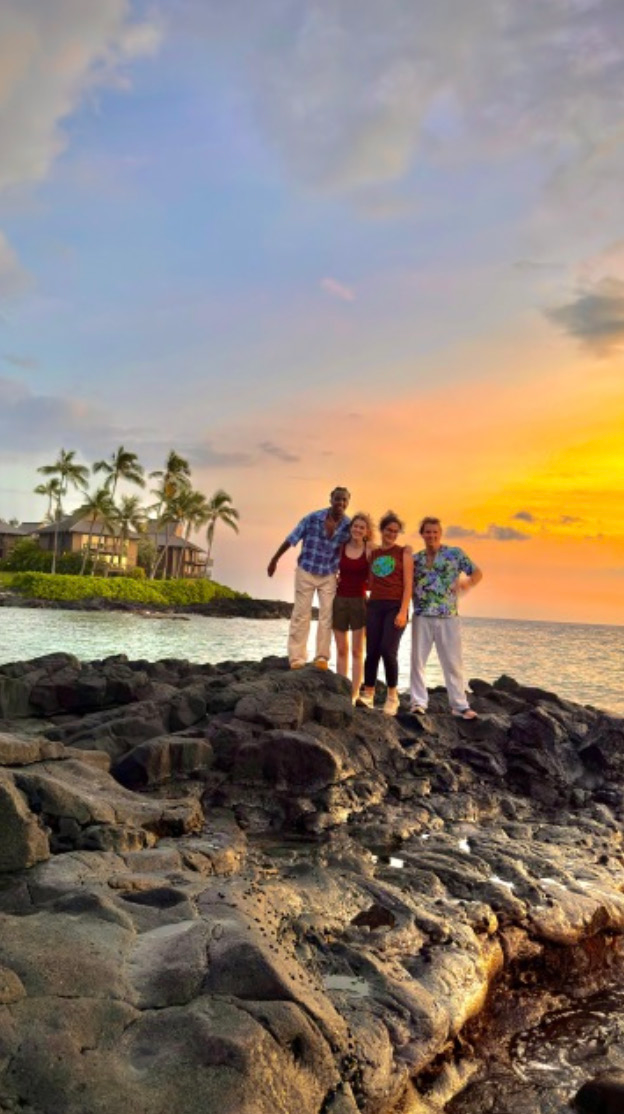
The friends I made on that trip became part of what made Hawai‘i sacred to me. There is something about being away from ordinary life, seeing breathtaking places together, and learning together in a new environment that accelerates closeness. We became companions in wonder.
Somewhere between Hilo and Kona, somewhere between the rain and the lava, the hikes and the nights, the silence and the laughter, the group started feeling like a new family.
I felt seen in ways I had not expected. One moment that stayed with me was meeting someone there who perfectly knew Caltech. It was such a small thing on the surface, but emotionally it felt much bigger. It was one of those strange and beautiful intersections where two worlds that seem so different suddenly touch. Caltech, which can so often feel intense, enclosed, and separate from everything else, suddenly existed in Hawai‘i too. That encounter made the world feel smaller, but in a comforting way — as if the parts of my life did not always have to remain fragmented from one another. And that was, in many ways, the theme of the entire trip for me: fragments coming together.
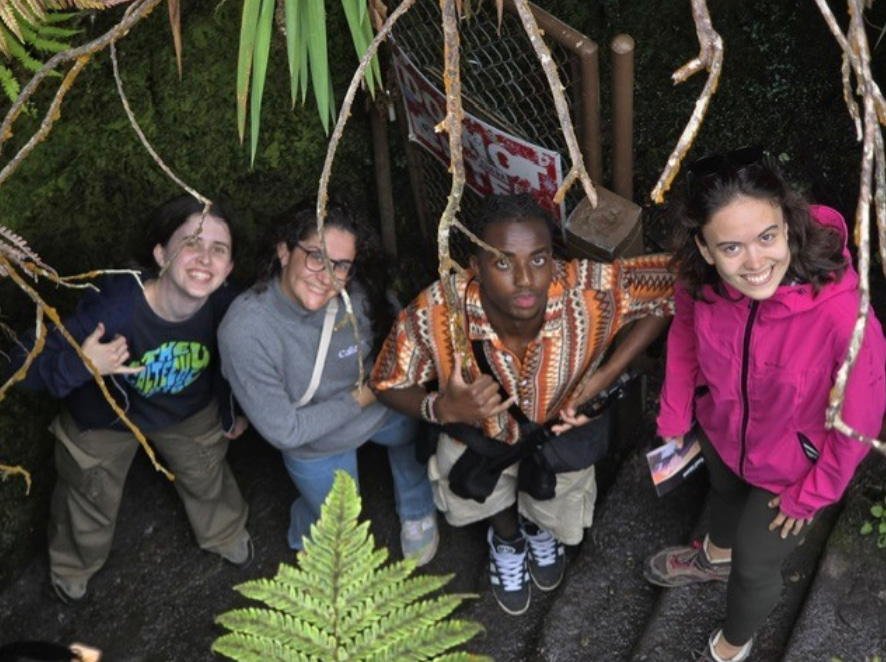
All the different parts of me came with me to Hawai‘i. And for once, they did not feel at war. The island somehow held all of it.
What I learned there was not only about stewardship, or conservation, or the reciprocal bond between humans and the land — though those lessons were powerful and necessary. What I learned was also deeply personal: that identity is not always something handed to you. Sometimes it is something you grieve for. Sometimes it is something you search for in other people before you can begin to name it in yourself. Sometimes you only realize what has been missing when you witness a people who have fought so hard to protect exactly that thing. Seeing a culture so close to its own origins did not answer the question of mine.
But Hawai‘i changed the question.
I began to ask something softer and more hopeful: What kind of belonging do I want to create? What traditions, people, places, and values make me feel most myself? What if family can also be chosen? What if origin is not only where you begin, but also what you decide to honor?
That shift matters.
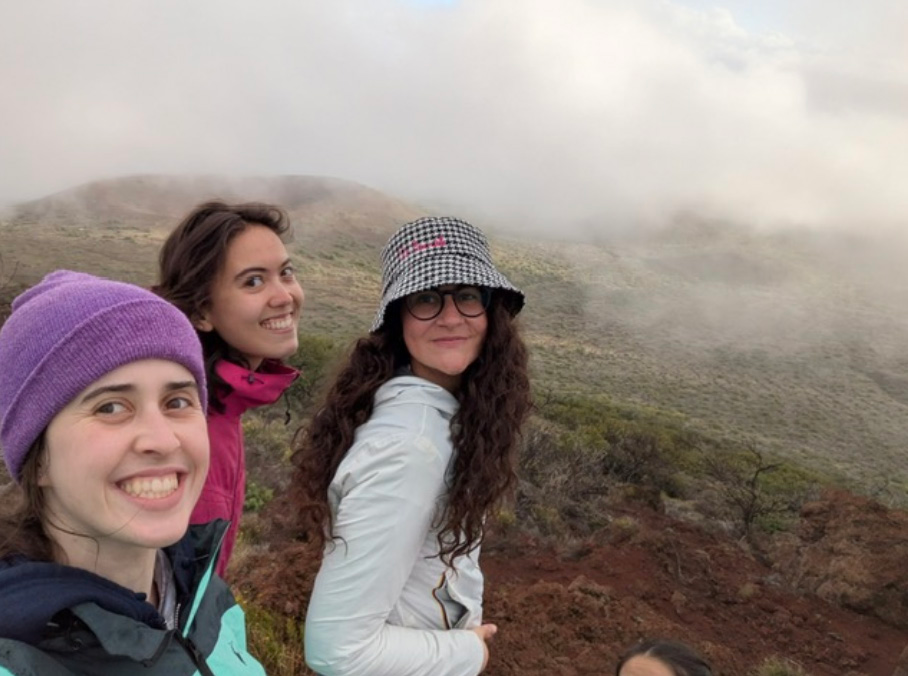
When I think back on Hawai‘i now, I do not first think of it as a trip. I think of it as a threshold. A place where I saw beauty beyond imagination. I think of flowers in people’s hair, the sound of a language that felt like a song, and dance that carried generations. I think of the ocean, canoeing, laughing, and feeling free. I think of the people who welcomed us. I think of the strange ache and comfort of seeing a people who know how to hold on to who they are.
And I think of the version of myself who was there. For so long, I believed that belonging was something other people decided for you. That acceptance was a door you stood in front of, hoping someone would open. But in Hawai‘i, I began to feel that belonging can also be something more alive than that. Something built in moments of connection. Something found in shared experiences. Something that grows unexpectedly when you allow yourself to be changed.
I came to Caltech carrying ambition, doubt, loneliness, and strength all at once. Then I went to Hawai‘i and found what it feels like to be part of something real. Not because Hawai‘i became “mine.” It never could, and it should not. Its power comes partly from teaching respect — from reminding us that beautiful places and rich cultures are not ours to claim. But I can say this: Hawai‘i gave me a feeling I had been missing for a very long time.
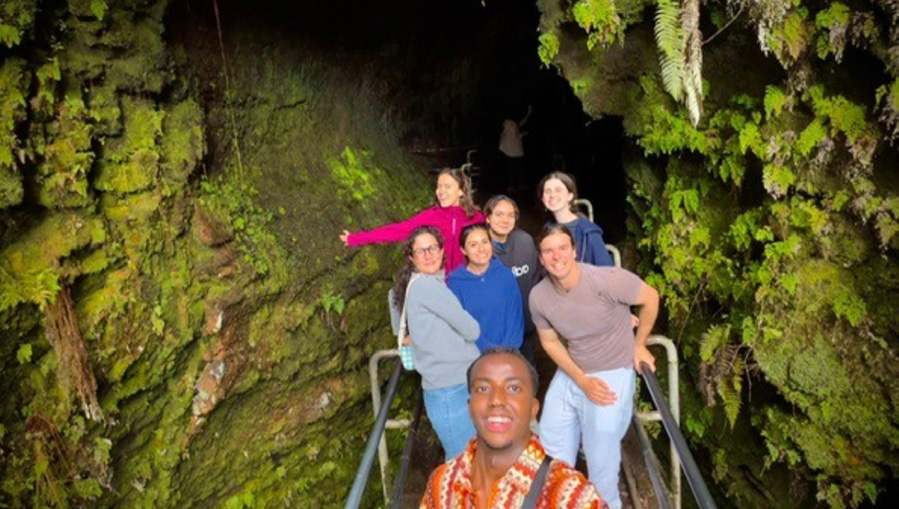
In some quiet way, it gave me permission to believe that even if I am still searching for my origins, I am not lost. Maybe that is why I still carry it with me.
Because sometimes a place does not answer your questions.
Sometimes it simply holds you gently enough that you can finally bear to ask them. And that, too, is a kind of home.
Thank you immensely, Caltech Y.
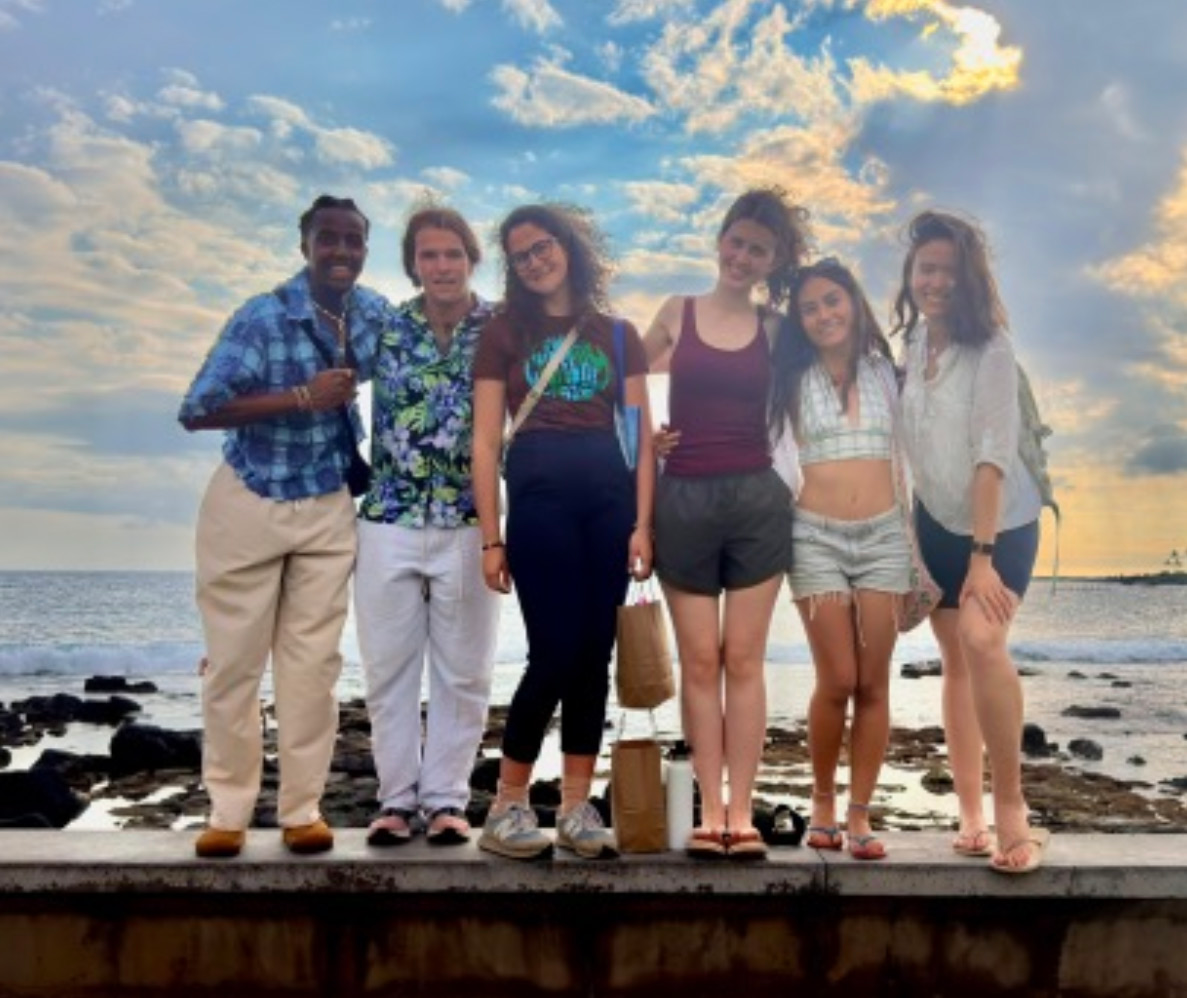
All photos courtesy of Camilla Fezzi.